Authentically original
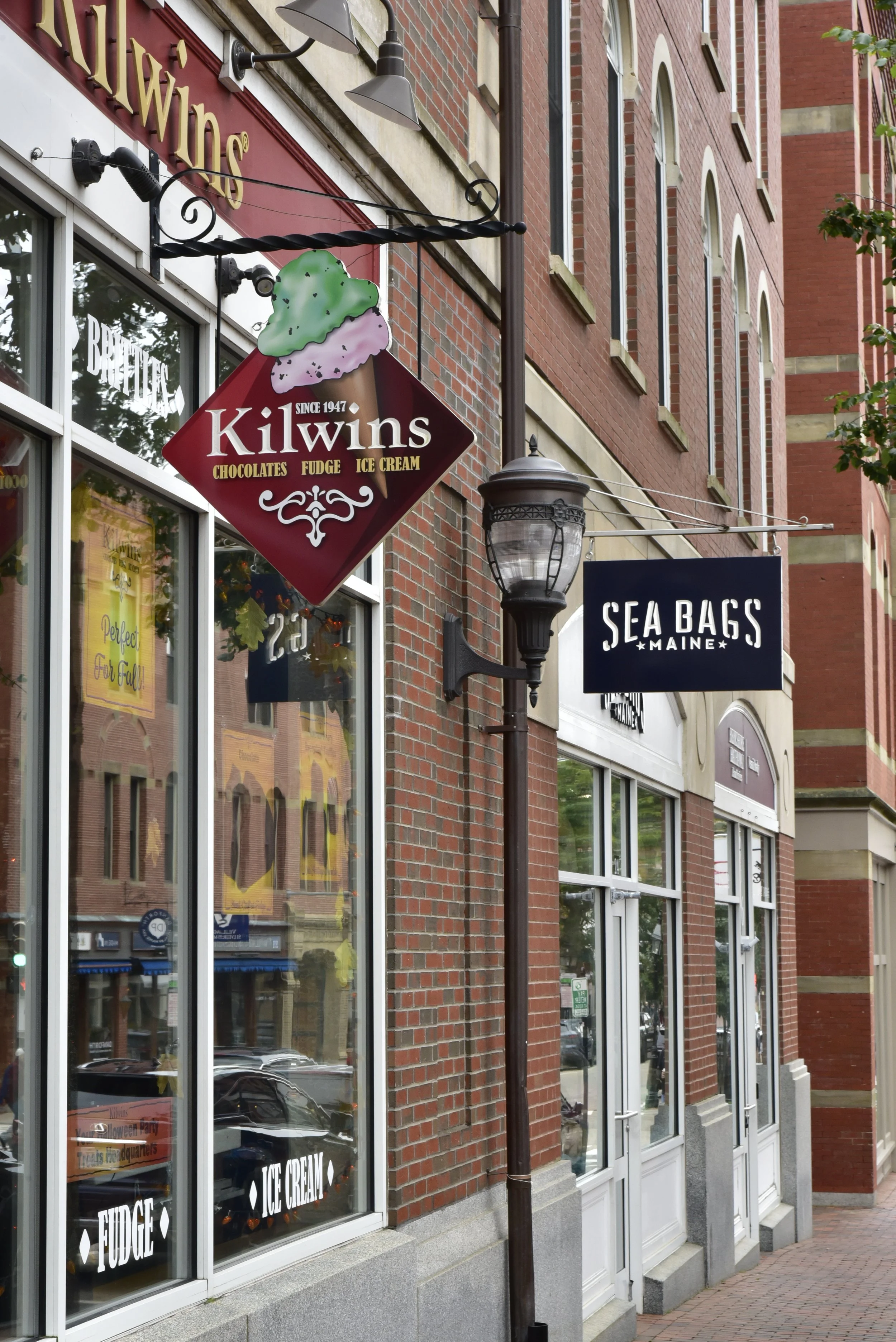
The allure of small-town Main Streets! They're like a warm hug from an old friend, aren't they? A place where you can stroll leisurely, window-shop to your heart's content, and perhaps even bump into a neighbor or two.
If we did not have the blessing of growing up in a small town, it is certainly how we imagine it (thank you, Hallmark Chanel) It's the epitome of community, a tapestry of human connections woven together by shared experiences and spaces.
Now, let's talk about the new kids on the block—mixed-use developments crafted like main streets in suburban areas. They're like the charming Main Streets of yesterday but with several “modern” twists – they are all owned by the same landlord, are filled to the brim with chain retail stores and upscale restaurants.
These mixed-use developments are sprouting up like daisies, especially near big cities. They're designed to mimic the magic of small-town Main Streets but without the history of organic growth. Take The Avalon and Halcyon north of Atlanta, for instance. These aren't just shopping centers; they have become vibrant communities that are spilling over onto the streets surrounding them. You can dine, shop, catch a movie, and even buy a home—all in one beautifully designed space.

@cruavalon
They have also become destinations. Some have estimated that over 10 million people will visit The Avalon in one year. With over 590,000 sf of retail space and somewhere over a dozen restaurants - you can only imagine why. It is definitely a destination.
Or how about The Domain in Austin, Texas? Once a sleepy college town, Austin has embraced this development and a new way of community building. The Domain, which delivered its first phase around 2006, offers a smorgasbord of experiences, from upscale shopping to fine dining, all while paying homage to the Main Street vibe. Today, including the recent phases, The Domain has over 1.4 million square feet of retail, restaurants and office - larger than many small towns!

So, why this sudden shift back to the Main Street model? Well, it's simple: We're craving connection more than ever. We often point to the lock-downs, but perhaps the toll technology has taken is showing through as we seek to create and participate community, and these new developments offer a slice of that, albeit in a more polished package. We are trying to replicate back to a time where we we imagine being known.
While these developments are fantastic, they're not without their challenges. Unlike the organic growth of a small-town Main Street, these are meticulously planned projects. They have a single landlord, which means decisions can be made quickly, but it also means there's a risk of the place feeling a bit too... manufactured.
The Main Street model is definitely making a comeback, and it's not hard to see why. It's a place designed on a human scale, where you can feel the pulse of the community with every step you take. It's a nod to our past, a bridge to our future, and a testament to our enduring need for connection.
So, the next time you find yourself in one of these modern-day Main Streets, take a moment to soak it all in. Enjoy the curated playlists, the manicured landscapes, and the sparkling shopfronts.
Just remember the small-town Main Streets that inspired them—the places where community isn't just a buzzword, but a way of life.
And they are the real deal.