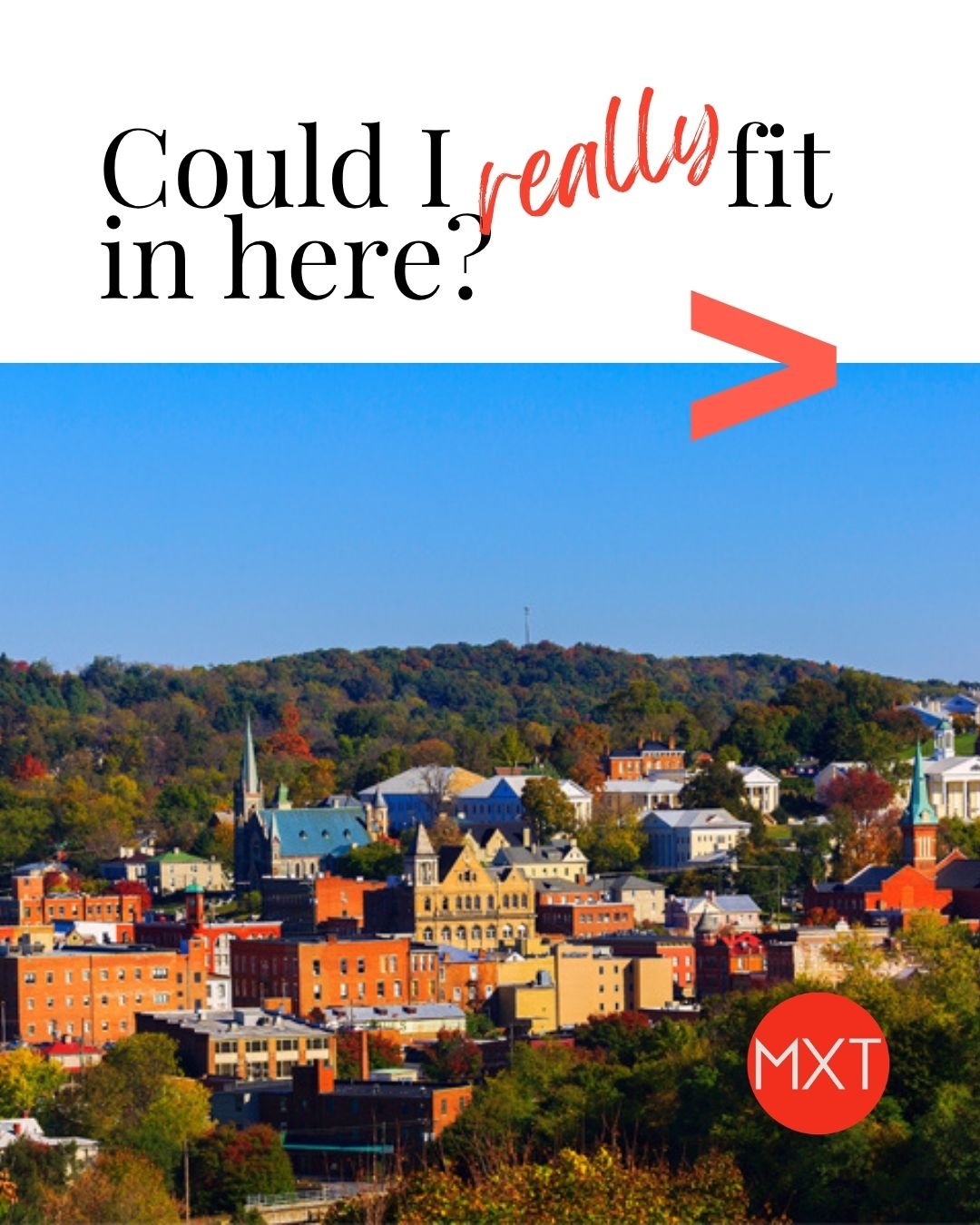
Behind the numbers: Farmville, VA
DWELL
The demographic figures in this post are based on a 3-mile radius from the center of town—not just within city limits. Why? Because life doesn’t stop at the welcome sign.

A Hamlet with History, Hustle, and a Whole Lot of Heart
Farmville wears its contradictions proudly. It’s one part college town, one part old-soul Virginia, and somehow still a place where nobody’s in too much of a rush. With just over 10,000 residents in a three-mile radius, it feels like a big front porch wrapped around a little downtown.
The numbers say the population is shrinking ever so slightly—down 0.03% over the last few years—but don’t let that fool you. This place moves to its own rhythm. The median age? Just 30.6. That’s not just youthful. That’s dorm-room-meets-brewpub-young.
It’s a place where backpacks and briefcases share sidewalks. Where Saturday mornings start at the farmer’s market and end at a tailgate.
A Town That Leans Light and Lives Local
With a median household income of $39,698 and an average just over $62,000, the income spread is wide—almost 60%. That reflects something real: Farmville is a town of dual economies. Students. Faculty. Locals who’ve been here for generations. That mix brings variety, but it also brings contrast.
“Farmville is one part college town, one part old-soul Virginia, and one hundred percent inviting.”
Homeownership hovers just above 51%, and the median home value sits at $251,171. That means Farmville offers a rare affordability—especially for first-time buyers or entrepreneurs looking for a soft landing in central Virginia. And with a housing affordability index of 65, the math makes sense for both locals and newcomers.
Unemployment is low (2.8%), and the retail economy is small but steady: $58 million in annual retail spend, with $154 million in disposable income in the mix. The pace is slower, but the gears are turning.
The Texture of Farmville
The crime index here sits at a nice 87, where the average of the US is at 100. Healthcare access scores a 59. Not perfect, but not problematic either. Call it livably imperfect.
Religious attendance is right at 45%, and there’s a decent civic middle ground when it comes to politics. About 30% of the population leans left, 39% leans right, and a healthy 26% hold steady in the middle. The diversity index sits at 68.4—meaning Farmville is one of the more racially and culturally mixed communities you’ll find in small-town Virginia.
Marriage rates hover near 39%, and the never-married group is high at 61%—thanks to those college-age residents. This is a town in transition, and in motion.
Why Farmville?
Because not every place needs to be booming to be building something meaningful. Farmville is a town that invites both pause and possibility. It holds space for entrepreneurs, artists, students, and retirees alike. It’s grounded and generous—and just scrappy enough to still surprise you.
If you’re looking for a small town where the community is complex, the costs are manageable, and the pace invites intention—Farmville might be your kind of place.
Read more about Farmville on the Town Page

The demographic figures in this post are based on a 3-mile radius from the center of town—not just within city limits. Why? Because life doesn’t stop at the welcome sign.
Using this standard radius lets us compare small towns apples-to-apples—capturing the true local footprint where people live, shop, worship, and connect. So if the numbers seem a little broader than official city stats, that’s by design. We’re measuring community, not just boundaries.
Our data comes from the Census, ACS, and ESRI