The Value of the Village: How Small Towns Model Connection

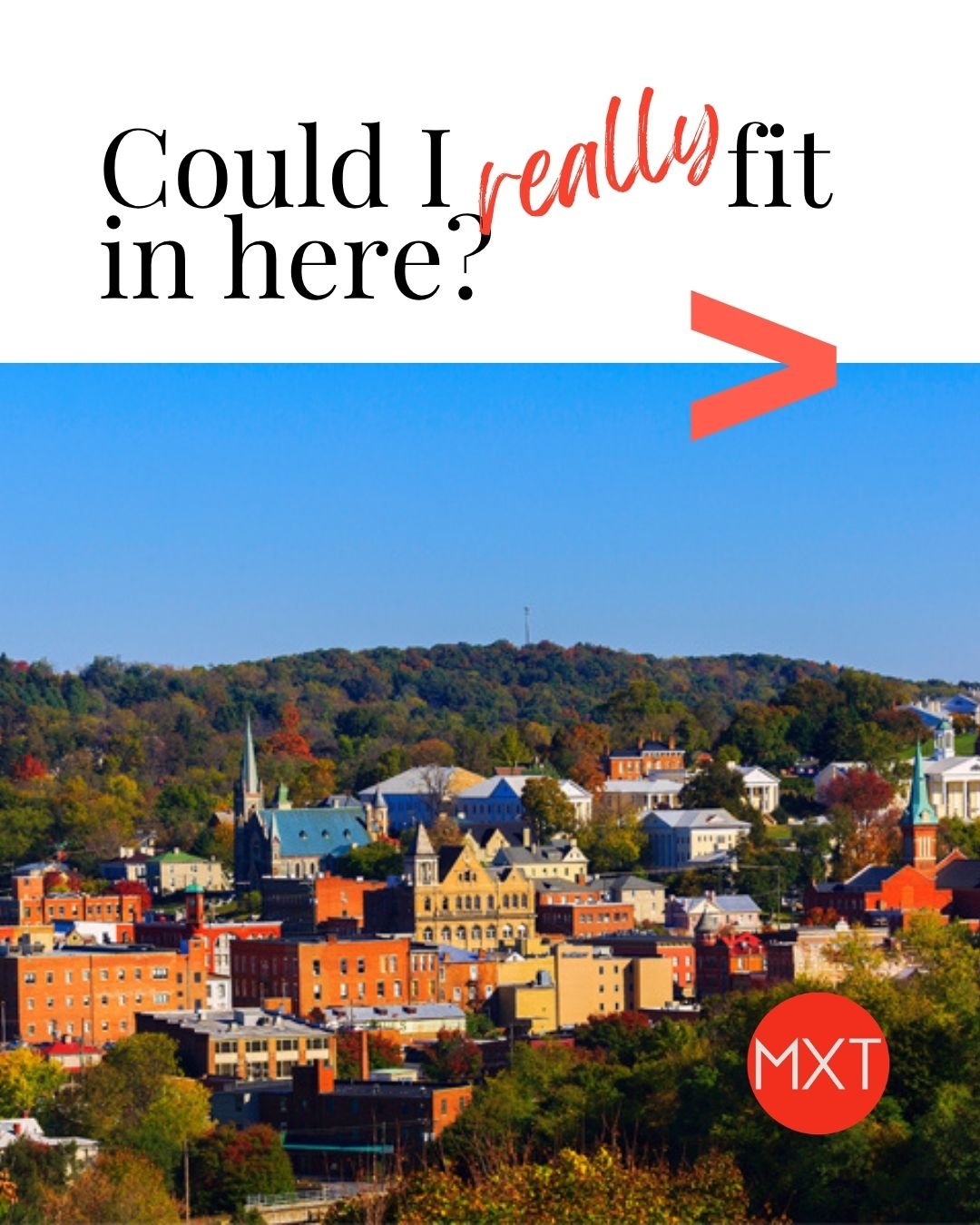
I’ve spent the better part of this year exploring small towns across the country for MoxieTowns, and I’ve observed something in almost every town - everyone at the coffee shop knows each other. They can tell you who runs the book store, and what is planned for the weekend in town. While you might expect a wave and a chat from everyone in our more southern towns - it is a part of the fabric in every small town we have visited. We are pretty sure that they pass along local lore faster than any social media post can go viral. Here they know the value of the village.
A friend and colleague and I were talking about how much we see our society disconnected and how so many are seeking community and connection. Knowing my passion about how I see this connection still ingrained in so many of our small towns, he shared an intriguing piece in The Atlantic titled “The Anti-Social Century,” published January 8, 2025.[1] The article paints a picture of society increasingly retreating into personal bubbles, choosing digital communities over the in-person kind. It’s a provoking read and echoes much of what we see in communities across the world while technology keeps us superficially connected, it can also isolate us from genuine neighborly bonds.

Family and our closest friends know us intimately
In the article they identify that we have, what I will call a pyramid of community. First, is our family and closest friends. These are the people we trust and who know us best. This is the section most closely held. The second is the village. Marc J. Dunkelman, of Brown University defines the village as “familiar but not intimate.” [2] These are the people in your community you encounter and do life with. They are the cashier at the grocery store, the librarian, your kids soccer coach, your kindergartner’s room mom, the neighbor one street over, or the retiree that plants the flowers in the town square. For a long time, these people were interwoven into many aspects of our day to day living and we all depended on a level of mutual respect. We depended on each other for our connections, community and quality of life.


The village is the community that surrounds us - “familiar but not intimate”
The third is the tribe. With technology, this has no geographical limitations. These are the people who think like you, shop like you, maybe dress like you, and definitely vote like you. Today, with our obsession with technology (I am saying that as a hard-core early-adopter) has caused an undeniable power shift to this level, to the point we are neglecting our village. And, while I delight in my worldwide tribe - it will never take the place of my village.
Back to small towns
By the nature of their interdependence, they have preserved “the value of the village” partially by necessity—there’s usually no more than a few grocery stores, local restaurants, and everybody’s kids attend the same school. Locals inevitably develop deeper ties because they simply can’t segment off into specialized enclaves as easily as it happens in more populous places. Need a helping hand repairing a fence? The neighbor you just chatted with at the post office might drop by with a toolkit. In bigger cities, it can feel awkward even to say hello in the elevator.
We are not saying that the village isn’t present in our metros, it is just more ingrained and present in our small towns. It is who they are.

Technology is alive & thriving in small town
But banish the thought that these towns have been left behind when it comes to technology (okay, some are still catching up… that is true) many of these little hamlets have fiber that is as fast as the metros!. During my MoxieTown adventures, I’ve met a new wave of professionals moving to small communities specifically because remote work is thriving. Technology is the friend that lets them collaborate with clients worldwide, but it doesn’t become the stand-in for real human connection. In these towns, broadband internet is a complement to, not a replacement for, those face-to-face interactions—like your neighbor stopping by with freshly baked muffins.

Of course, no place is perfect, and small-town living requires some adaptability (don’t expect your dinner deliveries at midnight!), but I’ve seen enough front-porch gatherings and communal farm shares to believe the sense of connection here is tangible and lasting. Perhaps we’re collectively waking up to the fact that the greater our digital reach, the more we crave real, in-person relationships. As The Atlantic article suggests, the hunger for human connection is strong—even if some parts of society are trending in the opposite direction.[3]
Next time you find yourself longing for a place that still lives “the value of the village,” consider taking a spin through a small town, grabbing coffee at the local shop in town, and chatting with whoever’s nearby. You might just discover what I did: ironically, the best place to feel truly connected might be the spot where you decide to turn off the wifi for a bit, settle in and make some new friends. It is easy in a small town.
Footnotes
[1] The Anti-Social Century, The Atlantic, published January 8, 2025.
[2] Ibid. [3] Ibid