The Third Place: Where Small Towns Really Shine
DISCOVER

DISCOVER
There's a term urban planners and sociologists have been bandying about for decades, and it perfectly describes something small towns have been quietly perfecting for centuries.
The “third place”
Coined by sociologist Ray Oldenburg, the idea is simple: we have our home (the first place), our work (the second place), and then — the place that holds a community together — the third. No agenda. No cover charge. No transaction required. Just people, proximity, and the slow, steady alchemy of showing up.
Third places are where neighbors become friends. Where the new family in town stops being new. Where the retiree and the twenty-something discover they share an opinion about the high school baseball team. They are the connective tissue of community life, and most of us don't even realize we're missing them until we are.
You've Been There. You Just Didn't Have a Name for It.
Think about the last time you lingered somewhere longer than you planned. A patio table you didn't want to leave. A park bench that turned into a two-hour conversation. A concert on the green where you meant to stay for one song and stayed for the whole set.
That was a third place doing its job.

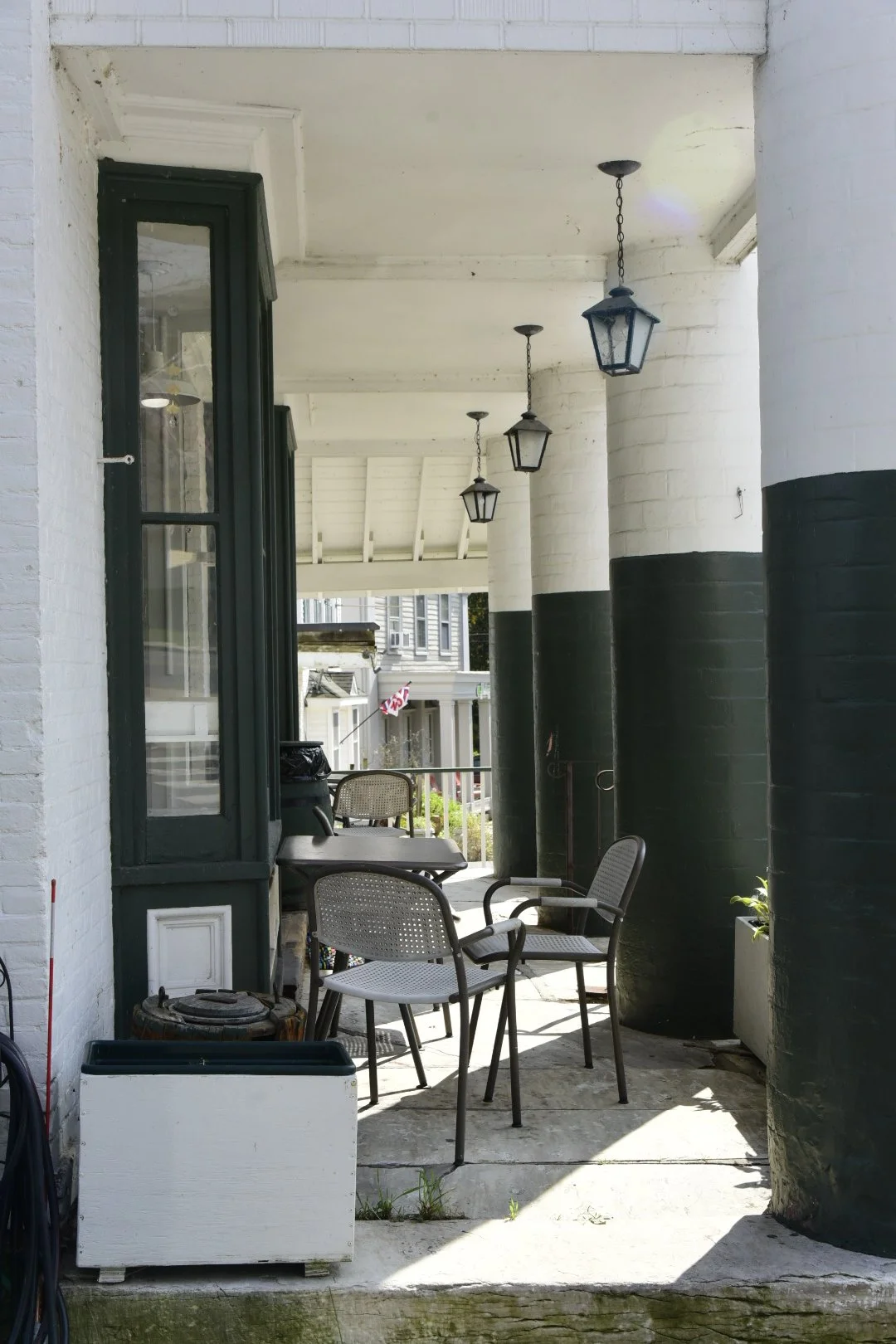
In small towns, they wear a thousand different faces. The favorite restaurant with a wide porch and wobbly ceiling fans that invites you to stay through a second glass. The weekly farmers market that becomes less about groceries and more about running into everyone you know. The local theater that still runs first-run films on Thursday nights for the price of a reasonable splurge. The harbor where boats come and go and the afternoon practically disappears.
None of these places are trying to be community infrastructure. They just are.
Size Doesn't Determine the Magic
Every tier has its third places, and each one has its own character. Hamlets, those close-knit communities under 10,000, often have the most intimate ones: a single park, a beloved general store, a wharf where the whole town ends up on a Saturday. Smallness concentrates the magic.
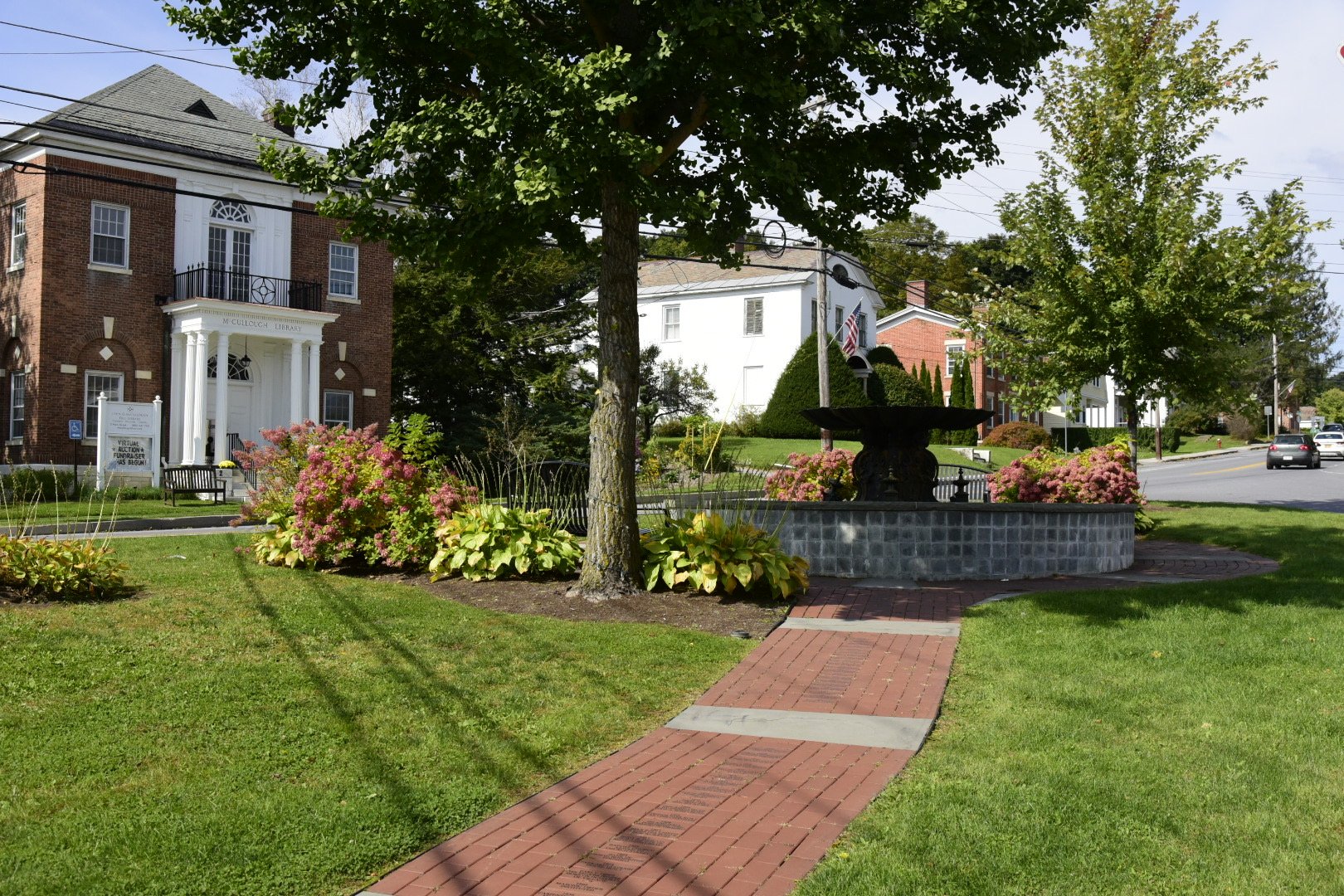
In North Bennington, Vermont, a small triangle park (which candidly, is a stretch by definition) sits across the street from one of the village's most storied anchors, a general store established in 1833 that is poised for a new chapter under new ownership. The park and the store have always been inseparable in the life of the village: the library, the coffee house, the restaurant, and the market all within easy strolling distance.
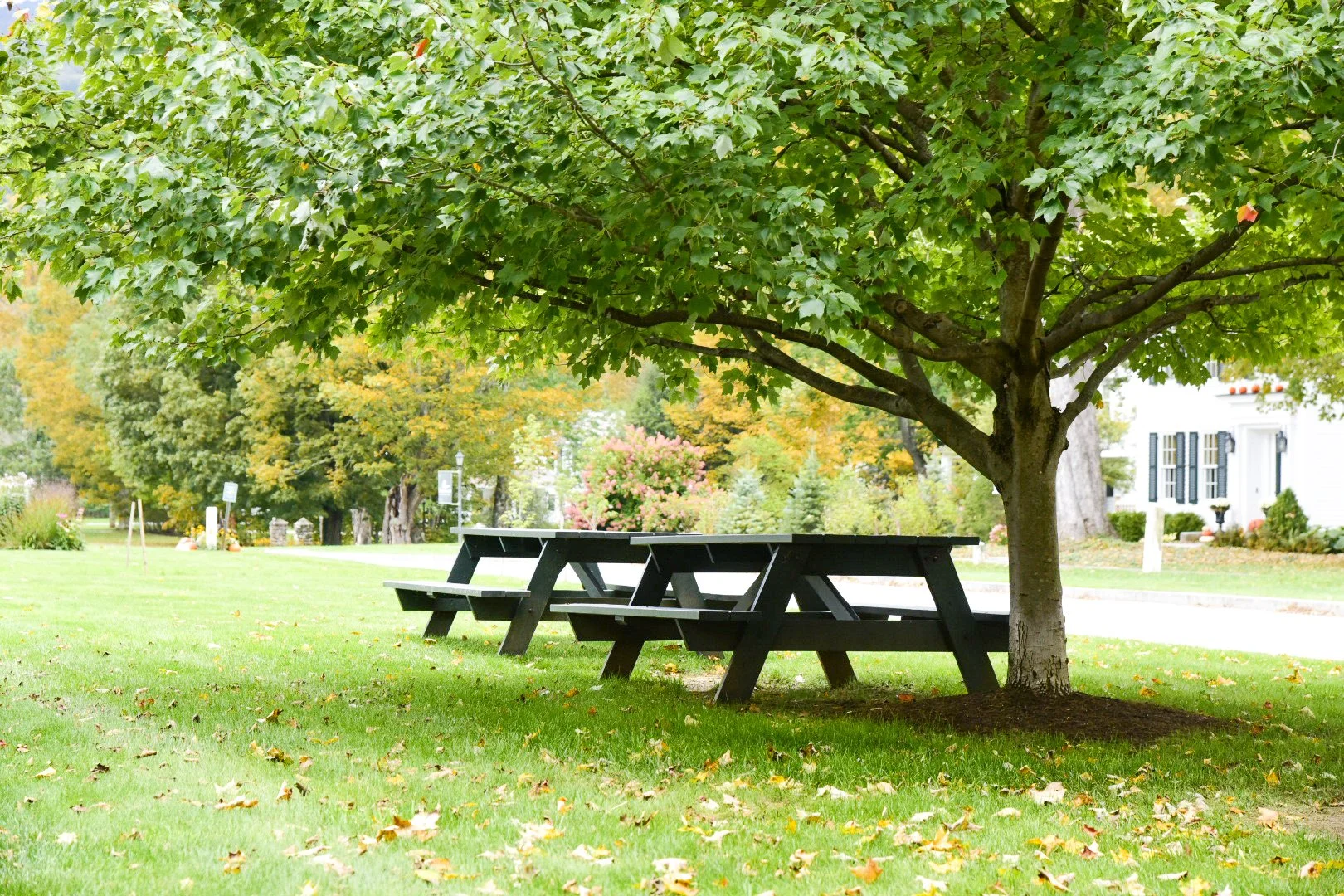
A few miles away in Dorset, Vermont, picnic tables tucked at one end of the town green, courtesy of the Dorset Union Store, are just waiting for someone to unwrap a sandwich and settle in. That's it. That's the whole design. And it works beautifully.
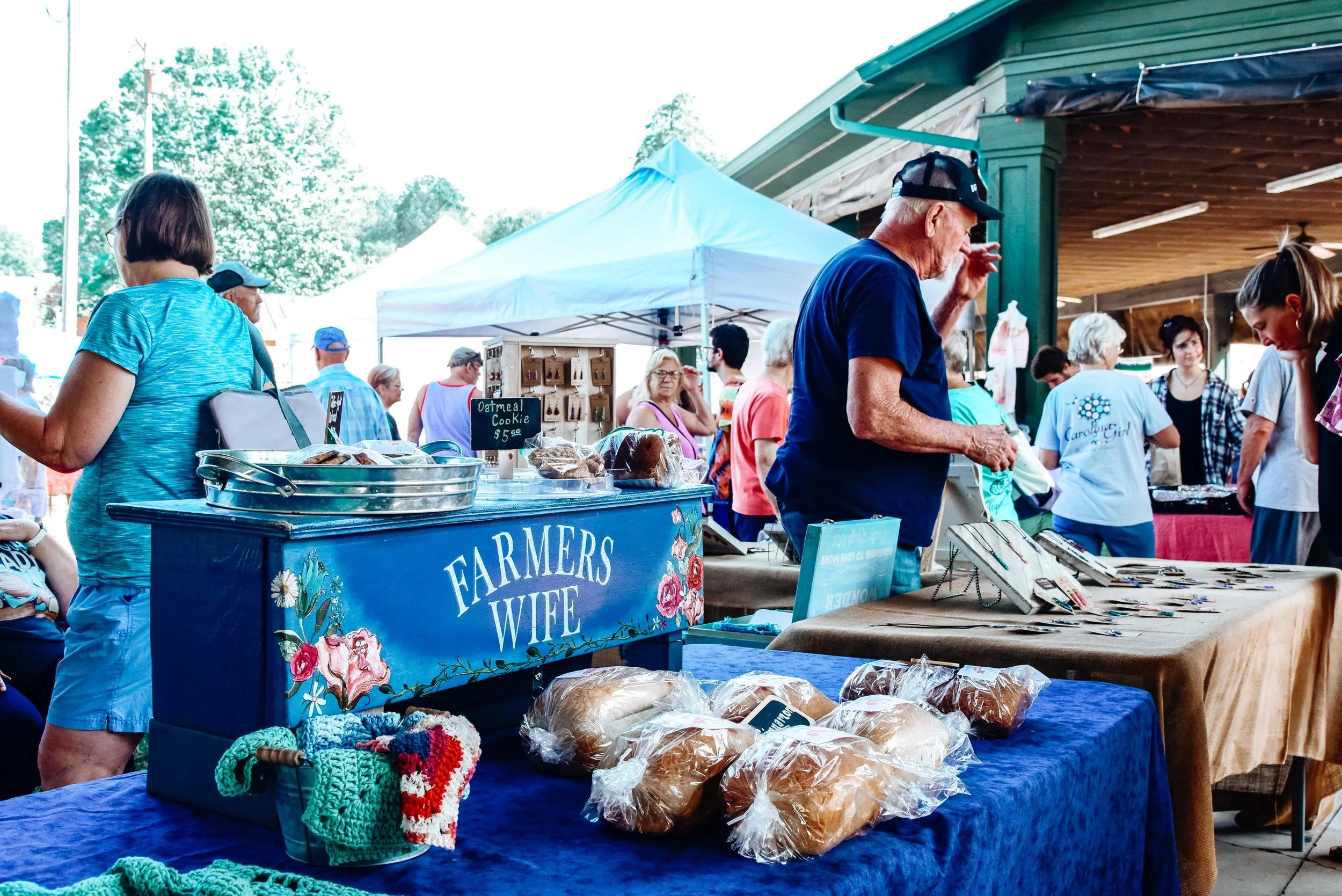
Abingdon, Virginia has built its third place culture around one of the region's most beloved farmers markets. Rain or shine, season after season, it draws locals back to the same place, the same faces, the same easy rhythms of community. In Camden, Maine, the harbor and wharf serve as the town's living room. People don't just pass through — they linger, they watch the boats, they find each other.
Scale up to a Big Small Town and the landscape expands. Canton, Georgia offers a masterclass. The town green invites gathering at the top of the hill, while just down toward the river, The Mill on Etowah layers eateries and green space along the banks of the Etowah in a setting that makes staying easy and leaving hard. Two distinct anchors, two different energies, one town that knows how to hold people.

What to Look For
If you're evaluating a small town — for a weekend, a season, or a lifetime — pay attention to where people linger.
Is there a patio full of people on a Tuesday evening with nowhere they would rather be? Do locals have a weekly ritual that isn't organized by anyone in particular, but somehow everyone knows about? Is there a park bench, a front stoop, a spot on Main Street that functions as an unofficial town square?
If yes, you've found it. You've found the third place. And that usually means you've found a town worth knowing.
Curious about towns that have this magic? Explore our growing atlas and look for the Discover lens — that's where we highlight the places and experiences that give a town its sense of character.