Big Small Towns, Villages & Hamlets: Why Size Tells a Story
DISCOVER • PROSPER • DWELL
Not every small town is the same size. And that matters more than you think.
A town of 35,000 and a town of 3,000 both qualify as "small" — but they live very different lives. One has a hospital, a performing arts center, and three coffee shops competing for your morning loyalty. The other has a single Main Street where the barista already knows your name because there's only one place to get coffee. Both can be extraordinary. But you wouldn't evaluate them the same way, and neither do we.
That's why MoxieTowns uses three size categories. They shape how we research, how we write, and — most importantly — how we help you find the right town for you.

The Three Categories
Big Small Towns
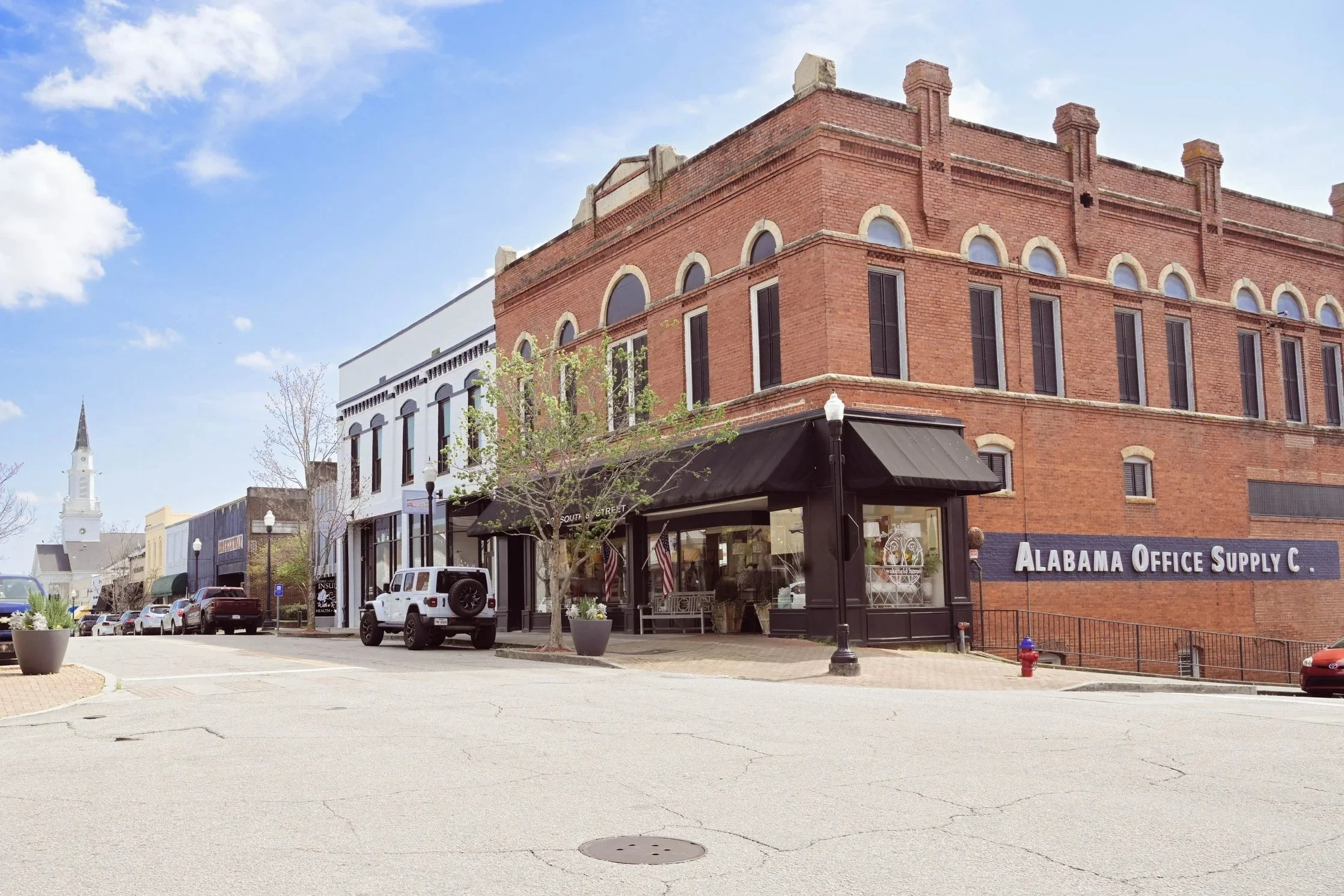
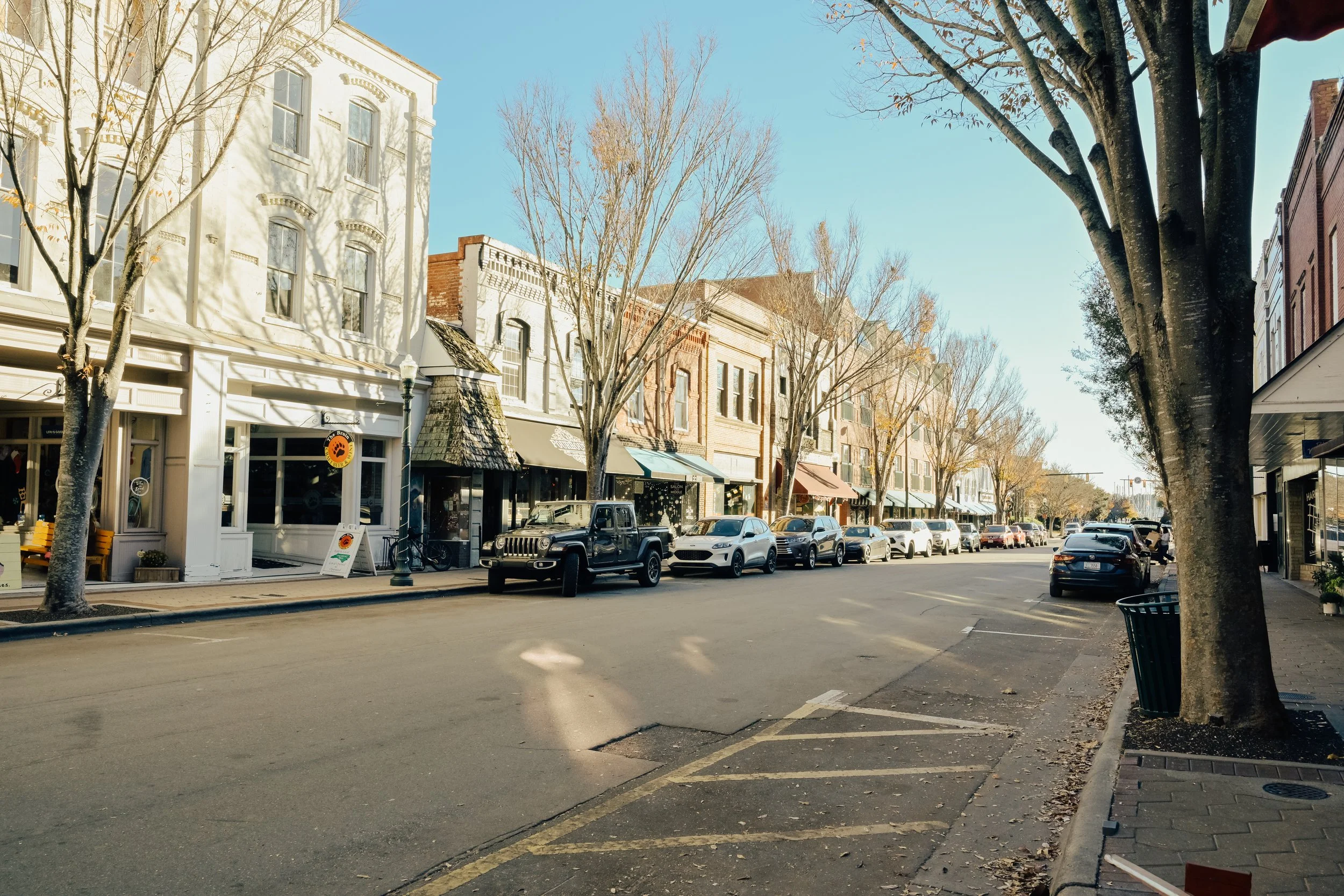
Big Small Towns are home to 25,000 to 50,000 people. These are the towns that surprise you with their depth. They have the cultural infrastructure, a brewery scene, a proper arts district, maybe even a Robert Trent Jones golf course, that you'd normally associate with much larger places. Opelika, AL (population ~35,000) is a textbook example: a town with its own fiber broadband network, a nationally ranked pickleball facility, and an increasingly inventive food scene. New Bern, NC (~34,000) is another. Ir is North Carolina's first colonial capital, where the Neuse and Trent rivers converge and a walkable downtown hums with galleries, independent restaurants, and year-round events. Aiken, SC rounds out this tier with its storied equestrian culture and a downtown lined with live oaks and locally owned shops.
Big Small Towns tend to have the widest range of amenities. For weekenders, there's plenty to fill a long weekend. For people thinking about relocating, the infrastructure is already in place — schools, healthcare, broadband, dining options — which matters when you're choosing where to build a life.
Villages
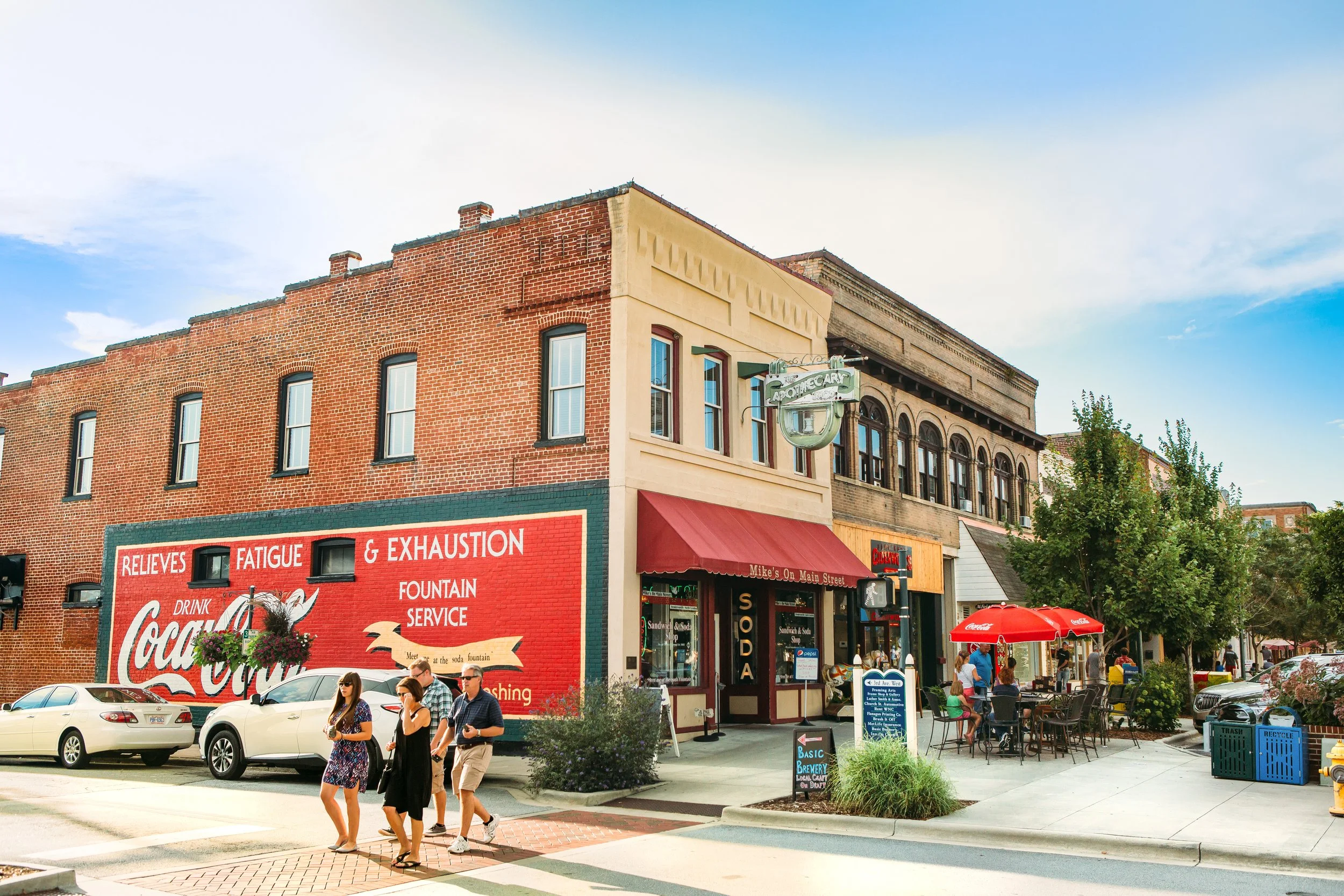
Villages land between 10,000 and 25,000 people. So many of our towns fall in this category! These towns have a clear identity, a walkable core, and enough going on to keep you busy — but they still feel intimate. Hendersonville, NC (~15,600) sits in this sweet spot. It has a farmers market that's been running since 1924, a greenway system that connects the whole town, and DuPont State Forest practically in its backyard. You can hike to a waterfall in the morning and sit down to a farm-to-table dinner that evening. It's a full experience in a compact footprint.
Villages often offer a unique balance for people who want community without compromise. The downtown is real. The neighbors know each other. And there's still enough economic activity to support a healthy mix of restaurants, shops, and cultural venues.

Hamlets
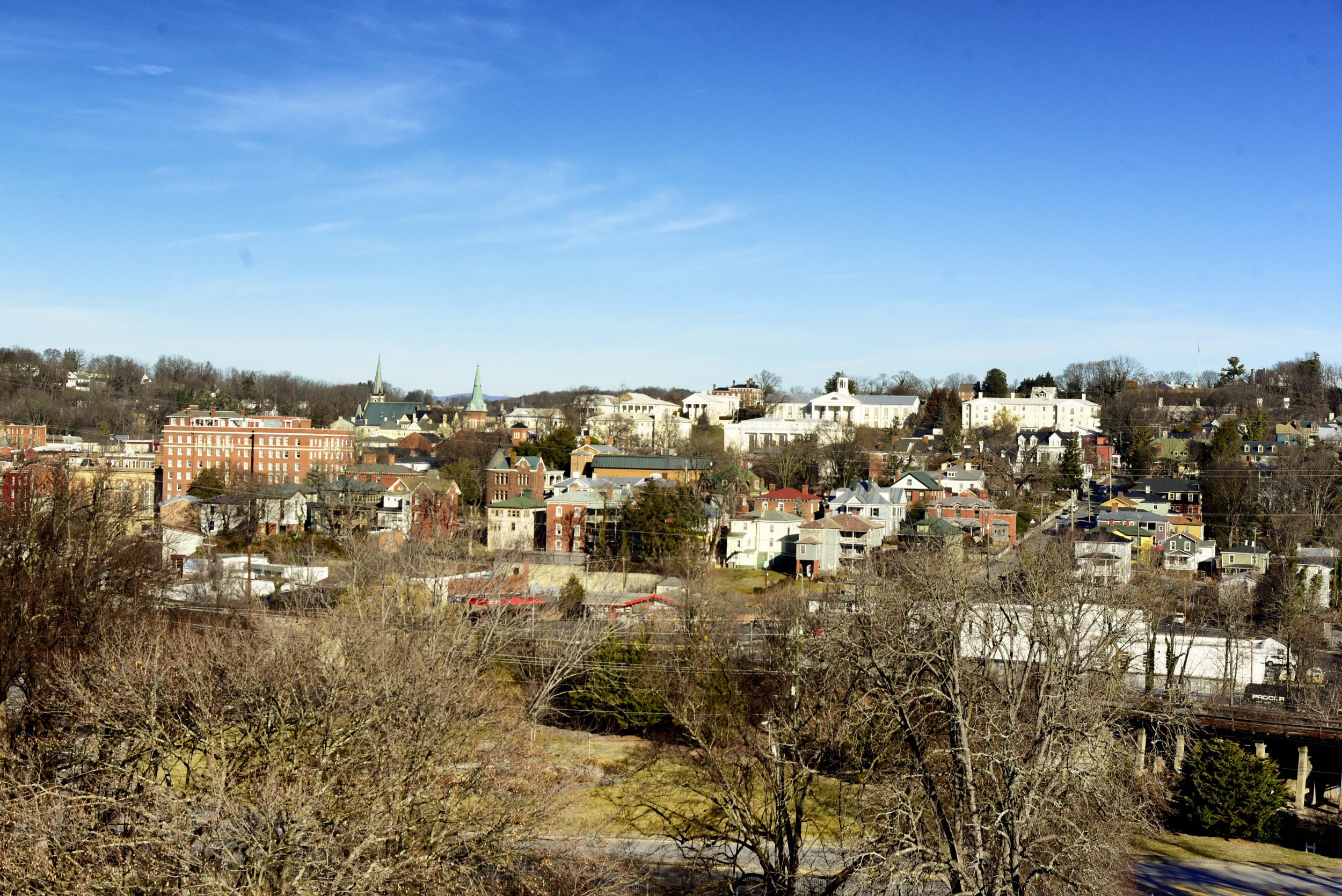
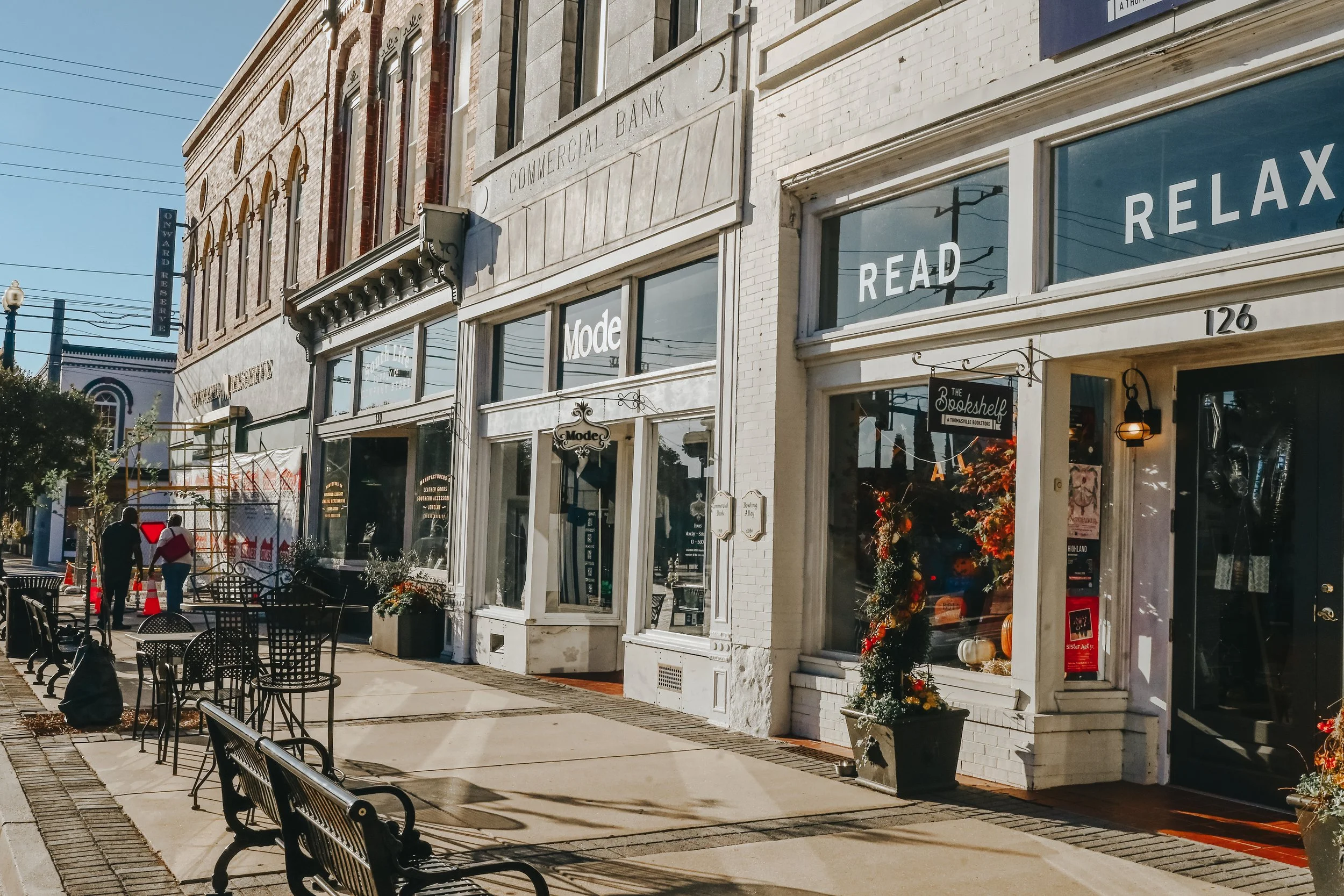
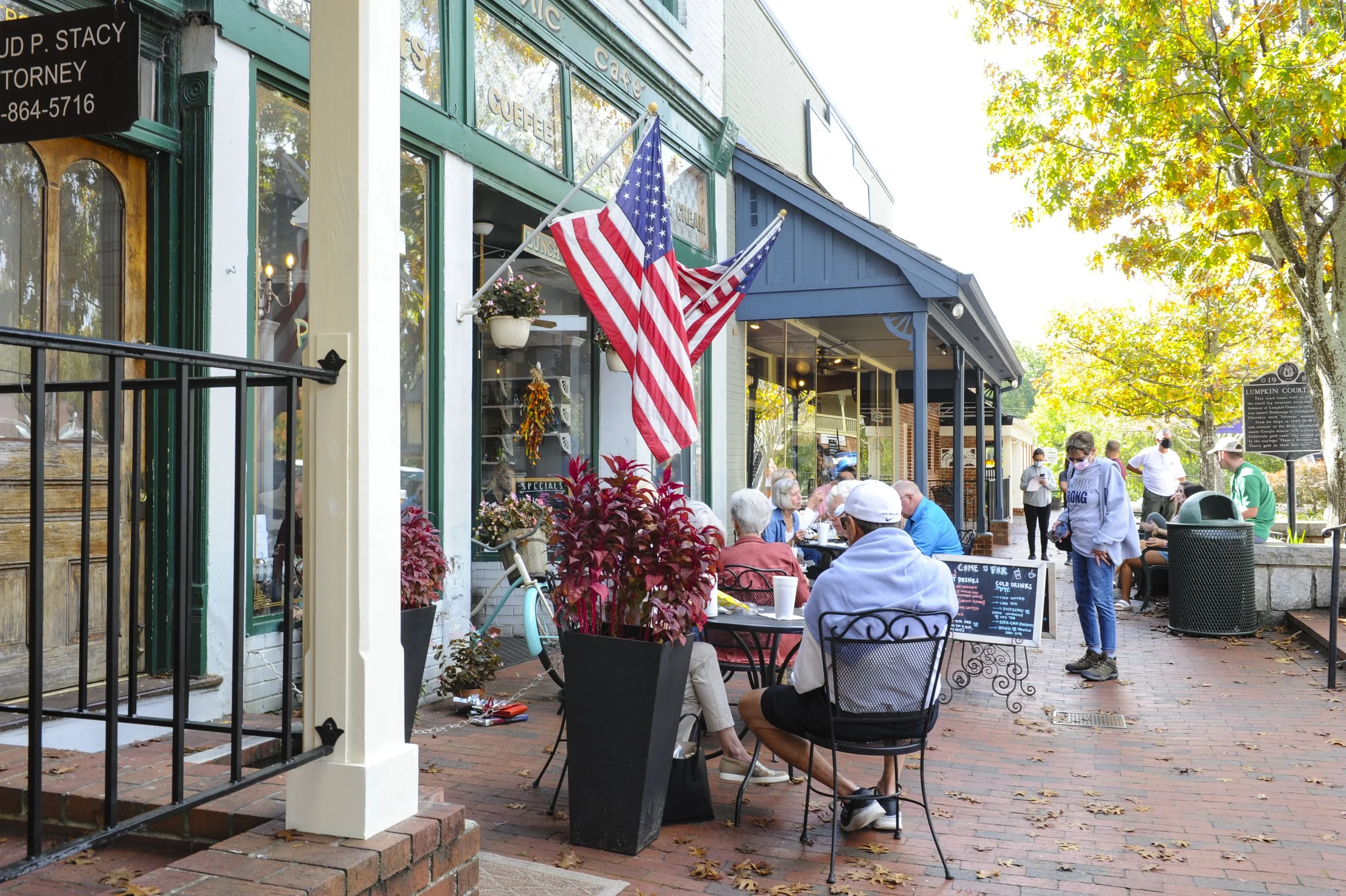
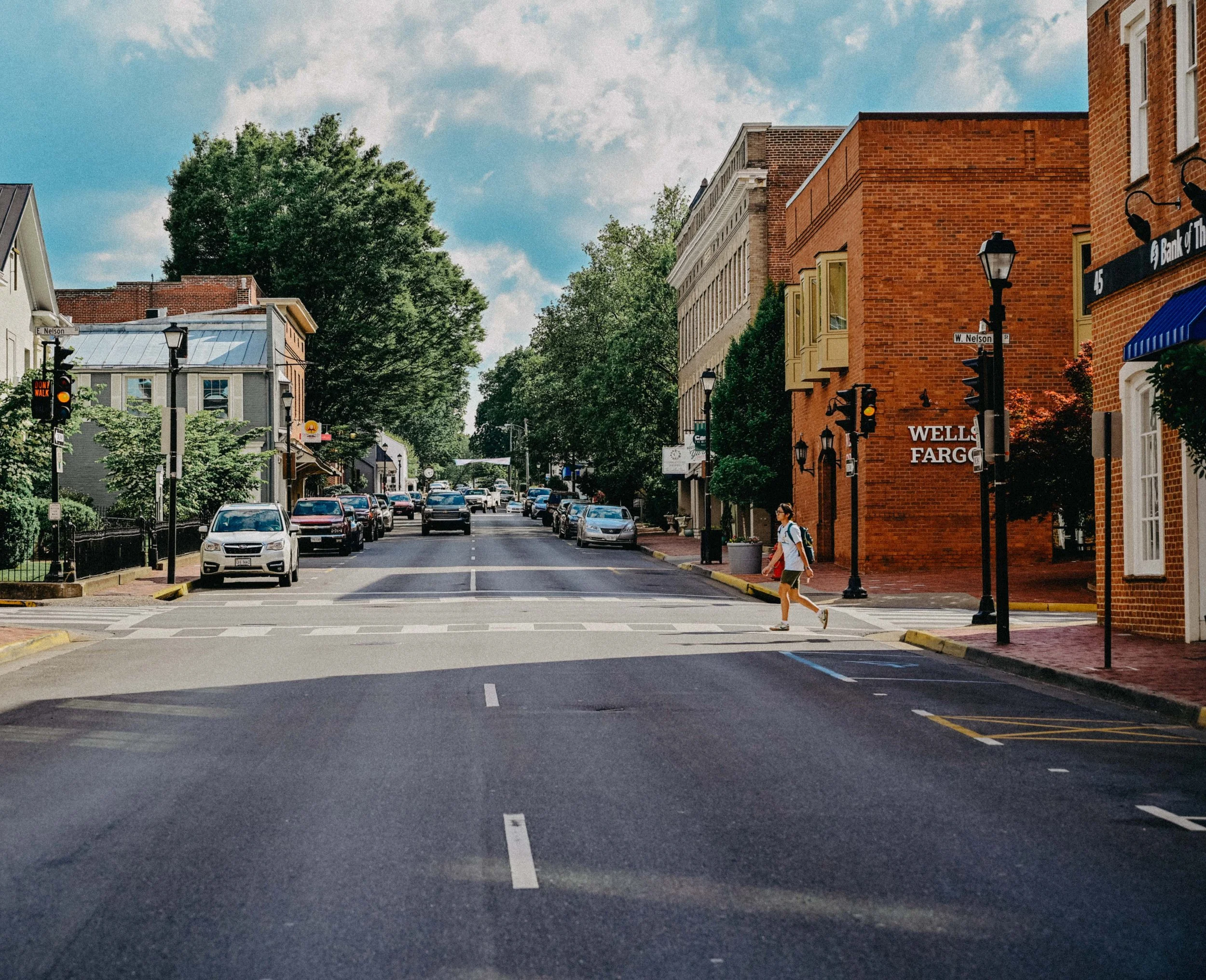
Hamlets are the close-knit communities under 10,000. These are the towns where you slow down — not because there's nothing to do, but because the pace itself is the point. Blue Ridge, GA (~1,300) sits in the North Georgia mountains with a scenic railway, craft breweries, and galleries packed into a Main Street you can walk in ten minutes. Dahlonega, GA (~7,500) is a gold rush town turned wine country destination with a university campus that keeps the energy young. Lexington, VA (~7,500) is home to Washington and Lee University and VMI, with a downtown that delivers far beyond what a town its size typically offers.
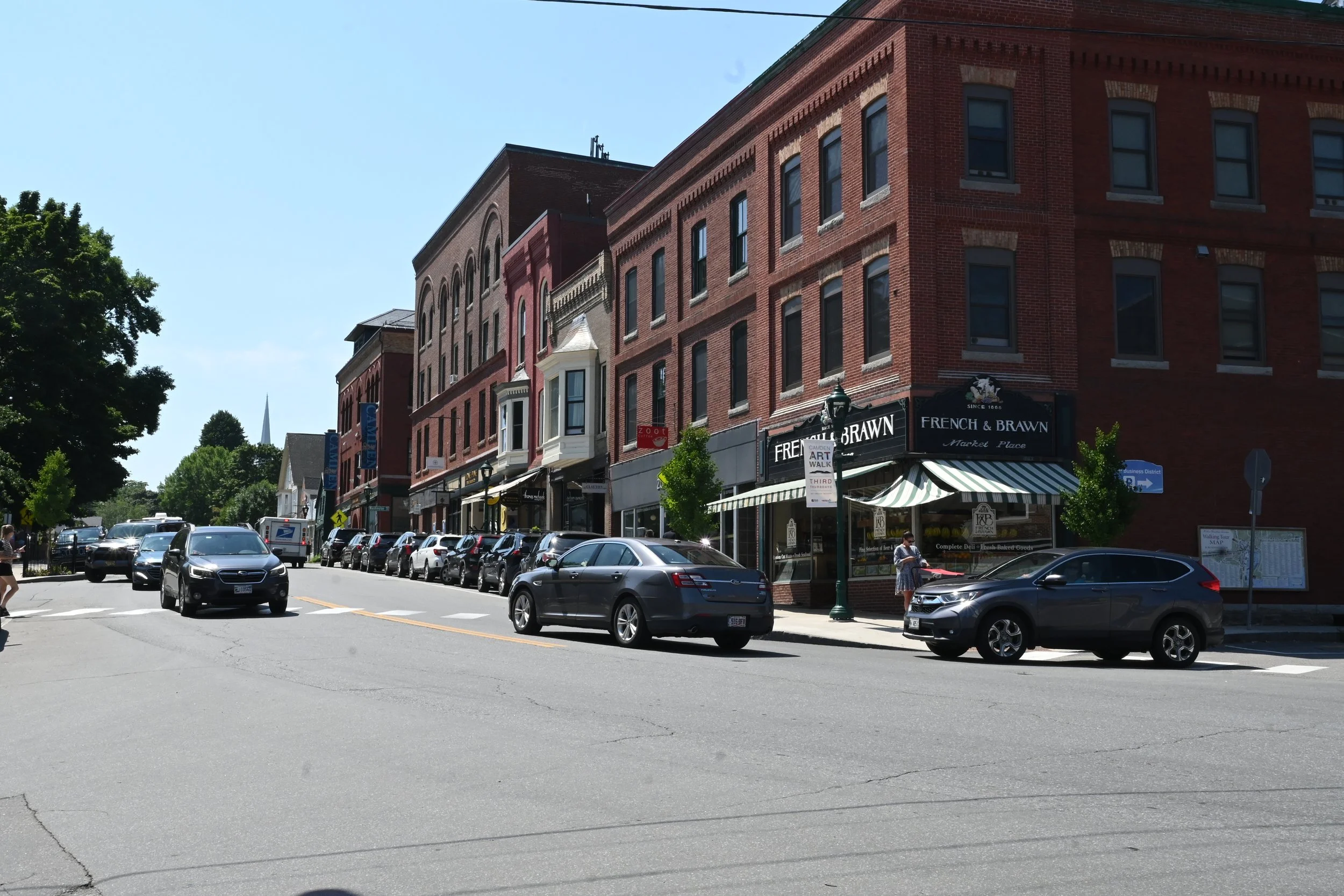
Up on the coast, Southport, NC (~4,400) and Beaufort, NC (~4,800) are waterfront hamlets with wild horses, working waterfronts, and the kind of quiet that makes you want to cancel the return drive. Camden, ME (~5,200) is one of the rare places on the Atlantic coast where mountains meet the sea. Woodstock, VT (~3,000) may be the most photographed small town in New England — and earns every frame.
In the Southeast, Camden, SC (~7,800) is South Carolina's oldest inland town, with an equestrian heritage and a revitalizing downtown that's worth watching. And tucked into New Hampshire's Connecticut River Valley, Walpole, NH (~3,700) is the kind of hamlet people drive right past on their way to Vermont — and that's their loss. Home to L.A. Burdick Chocolates, a world-ranked nine-hole golf course, an artisan cooperative, and a town green surrounded by Federal and Greek Revival homes, Walpole is quietly one of the most charming small towns in New England. Two hours from Boston, it feels a century away.
Why Geography Changes Everything
Here's the thing about hamlets: where they sit on the map changes the entire equation.
A hamlet within two hours of a major metro — think Blue Ridge outside Atlanta, or Woodstock within reach of Boston — draws energy from that proximity. Restaurants get more adventurous because the customer base extends beyond town limits. Cultural events attract regional audiences. You get the quiet of a small town with access to the supply chains and talent pools of a larger one.
A hamlet set deeper into rural territory — in the wide-open spaces of West Texas or the high plains of Colorado — dances to a different rhythm. These towns rely on locals, tourists, and the natural landscape itself. And that landscape is usually the headline: the mountains are taller, the rivers are wider, the night sky is darker. What they may lack in a third brewery option, they make up for in the kind of natural amenity that no amount of economic development can manufacture.
Both are worth discovering. They just ask different questions of you as a visitor — and of us as researchers.
Why We Built It This Way
We created these categories for two reasons.
First, because when you're searching for a town, size is one of the first filters you reach for. You already know whether you want the energy of a Big Small Town or the stillness of a hamlet. Naming these tiers gives you a faster path to the towns that match your instincts.
Second — and this is the part that matters behind the scenes — our evaluation metrics are calibrated to each tier. We look at every MoxieTown through three lenses: Discover (what's worth seeing and doing), Prosper (broadband, coworking, economic opportunity), and Dwell (schools, healthcare, housing, community). But what qualifies as impressive in a hamlet is different from what we'd expect in a Big Small Town. A hamlet with a single farm-to-table restaurant and a weekend farmers market is doing remarkable work. A Big Small Town with the same offering has room to grow. Our metrics are tuned to that reality.
The categories aren't rigid borders — they're guardrails that help us tell honest stories about what each town offers and what it's becoming. Because every town on the MoxieTowns map is there for a reason. And the goal isn't to rank them against each other. It's to help you find the one that feels like yours.
The Adventure Continues
We're constantly scouting new towns, testing our metrics, and adding to the MoxieTowns atlas. Whether it's a Big Small Town with a surprisingly deep food scene or a hamlet tucked into a river valley that nobody's talking about yet — we want to find it before the crowds do.
Know a town that deserves a closer look? Tell us about it. If it has a population under 50,000, a walkable heart, and genuine character, we want to hear from you.
Stay curious. The best small towns may be the ones you haven't found yet.