Prosper: The MoxieTowns Lens for Small Town Economic Possibility
PROSPER
Somewhere in town there's a building that used to be "nothing."
Then one person took a chance.
Then two more followed.
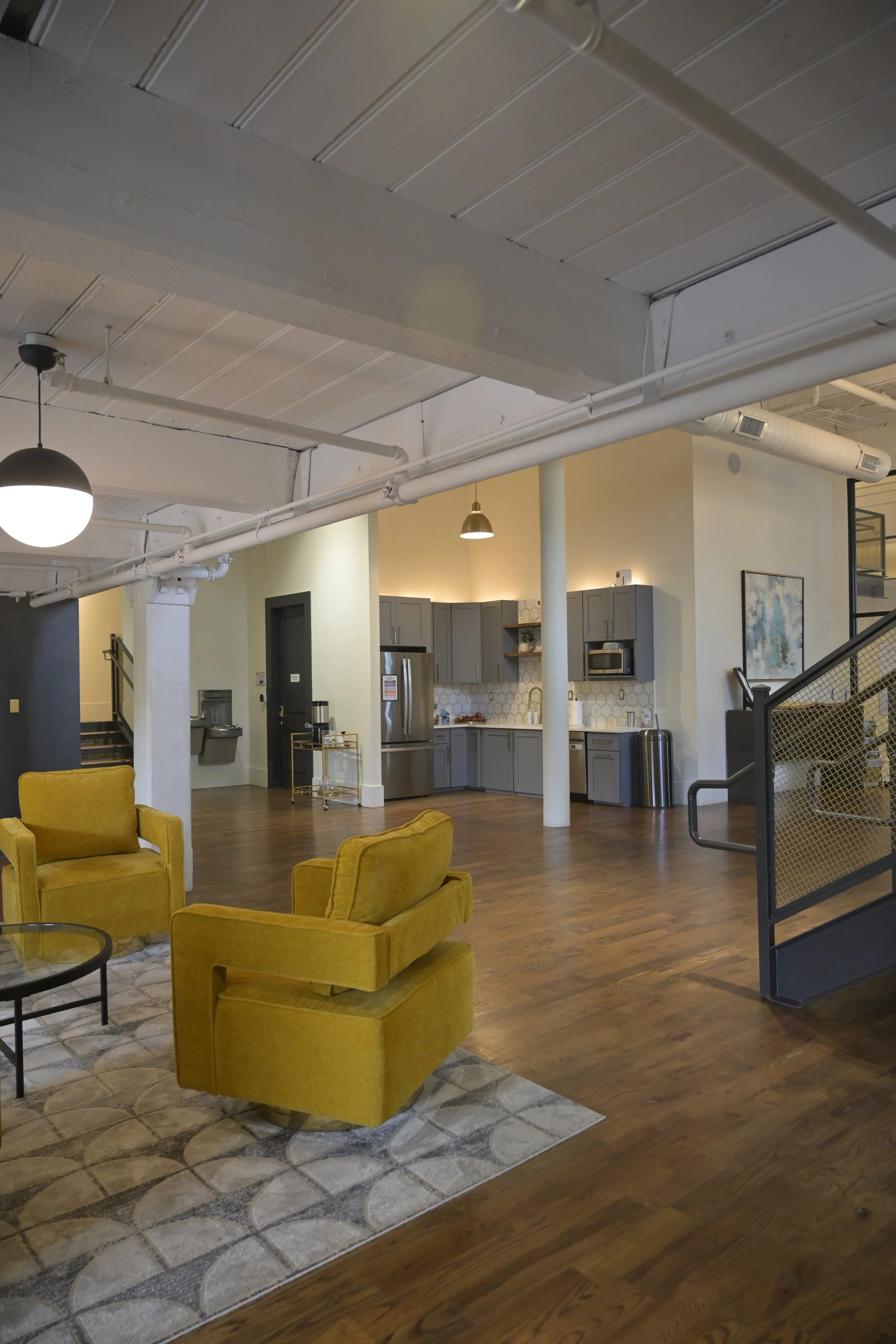
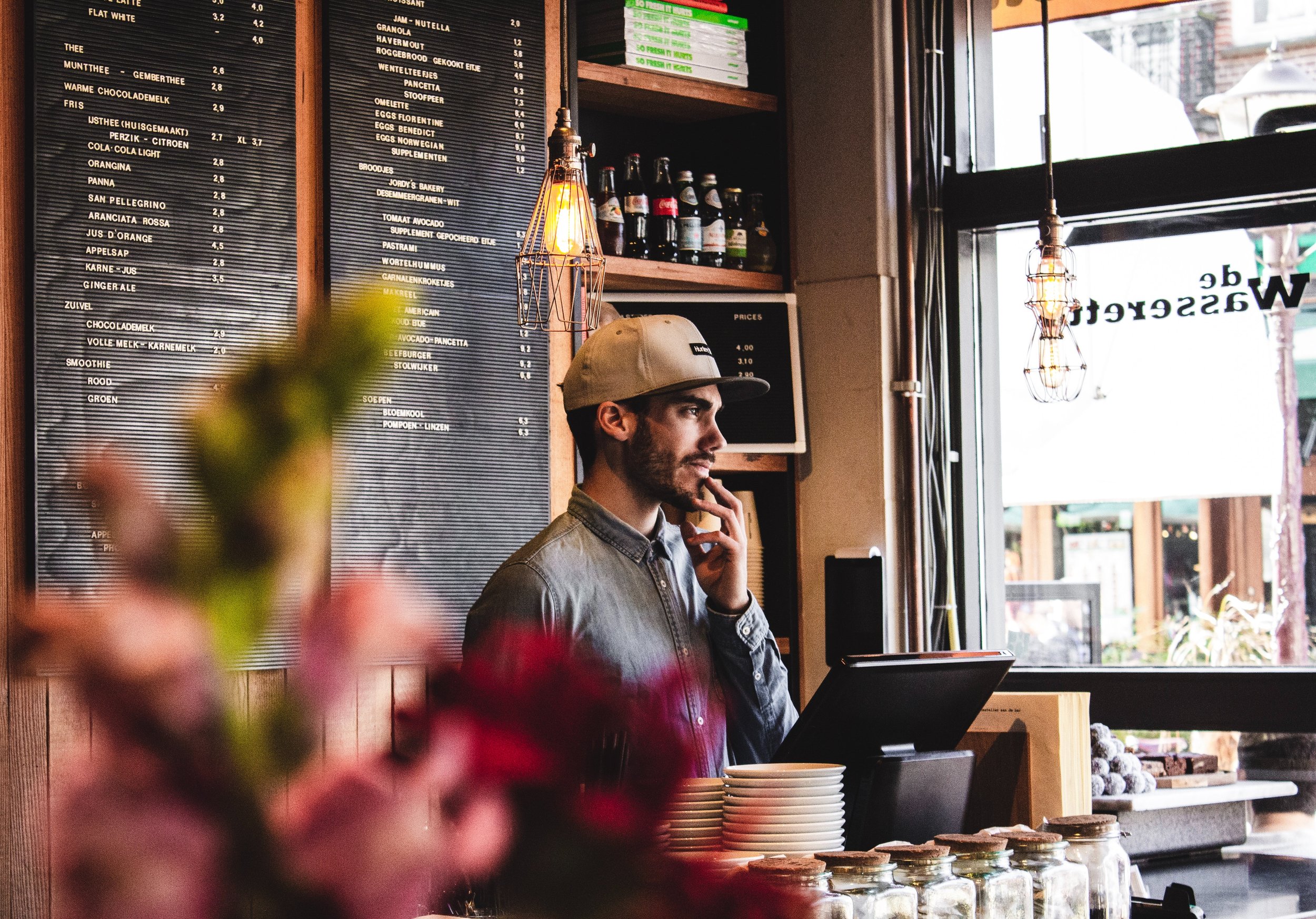
Then suddenly it's a cluster — coffee, coworking, a retail shop with real taste, maybe a law office upstairs, maybe a studio where somebody's building a real business with a real payroll. And a Main Street that felt half-asleep six years ago now has a waiting list for storefront space.
That's Prosper. And it's one of the three lenses we use at MoxieTowns to find — and tell the story of — the most remarkable small towns in America.

What We Mean When We Say "Prosper"
Prosper is the MoxieTowns lens for economic possibility. Not flashy growth. Not the kind that arrives with a ribbon-cutting and leaves two years later. We're looking for the kind that grows in inches and sticks — because it's built on people, place, and genuine momentum.
We tell the stories behind adaptive reuse projects, new storefronts opened by first-time business owners, coworking sparks that turned into creative hubs, and the community champions who kept showing up long before it was trendy. These are the builders: entrepreneurs who bet on a small town, remote workers who chose a different kind of commute, investors who saw good bones and took a calculated risk, and civic leaders who kept the faith.
We're romantics about small towns. But we're not guessing. When we say a town is a place to Prosper, we've done the work to back it up.
What We're Actually Looking For
Remote-work readiness — and we mean real readiness, not "available." We look for reliable, high-speed internet infrastructure alongside the physical spaces where people can actually work and gather. A town with fiber and a good coffee shop is not the same as a town with theoretical broadband and nowhere to sit.
Downtown momentum — reinvestment you can see. New business openings. Adaptive reuse of older buildings. Visible maintenance (which is a clue, by the way — towns that take care of what they have are towns that take the future seriously). We pay attention to vacancy rates and what's filling them.
Human infrastructure — the people who make it work. Champions. Main Street programs. Entrepreneurs who collaborate instead of compete. A Chamber that actually shows up. These things matter more than square footage.
Economic texture — not just one big employer, but a mix. Services, hospitality, creative industries, professional trades. Towns that have built a diverse economy are more resilient and more interesting to move into.
Why Small Towns Are Having a Moment and Why This One Is Different
We've all seen the headlines about remote workers fleeing cities and "Zoom towns" popping up. Some of that story is real. Some of it is hype. What we've watched closely is what happens after the first wave of newcomers arrives.
The towns that stick — the ones that are genuinely building something durable — are the ones where the local ecosystem was already in place or actively building. Where there was a Main Street organization with teeth. Where the existing business community welcomed new energy instead of resenting it. Where local government made it easier, not harder, to open a business downtown.
That's what Prosper is tracking. Not just the arrival of new people with laptops and big-city savings accounts. The conditions that let them build something real once they get there.
The Prosper Story Is a Small Town Story
There's a reason we call this lens Prosper and not "Economic Development" or "Business Climate."
Because what we see in the best small towns isn't a policy document. It's a person. Someone who opened a coffee shop in a building everyone else walked past for twenty years. Someone who turned a former hardware store into a coworking space and filled it in ninety days. Someone who started a farmers market on a vacant lot and now anchors an entire Saturday economy.
Prosper is the story of small becoming strategic. Not by copying big cities, but by leaning into what small towns do better than anywhere else: trust, proximity, and momentum you can feel block by block.

How to Use the Prosper Lens
(Almost) All of our blog content falls into one of three lenses: Discover, Prosper, or Dwell. Use Prosper as a search tag when you're looking for stories about:
Small town entrepreneurs and business owners
Remote workers who made the move and built something
Towns with coworking spaces, maker communities, or creative hubs
Downtown revitalization and adaptive reuse projects
The economic conditions that make small towns worth betting on
If you're a builder — whether that means opening a business, relocating a career, or investing in a community — the Prosper stories are for you.
Explore the towns. Read the stories. Join our newsletter for new content added all the time at moxietowns.com