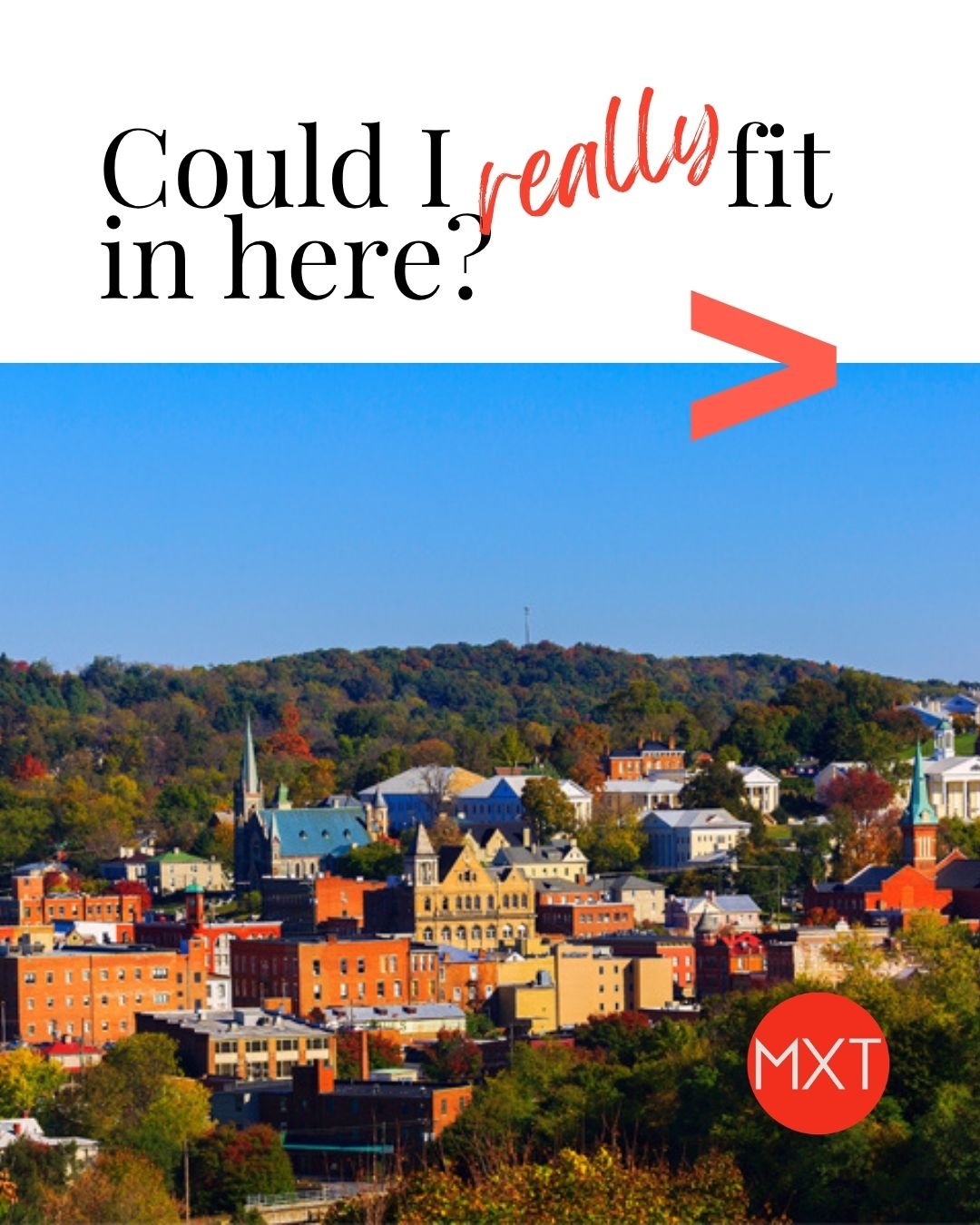
Behind the numbers: Opelika, AL
DWELL
The demographic figures in this post are based on a 3-mile radius from the center of town—not just within city limits. Why? Because life doesn’t stop at the welcome sign.
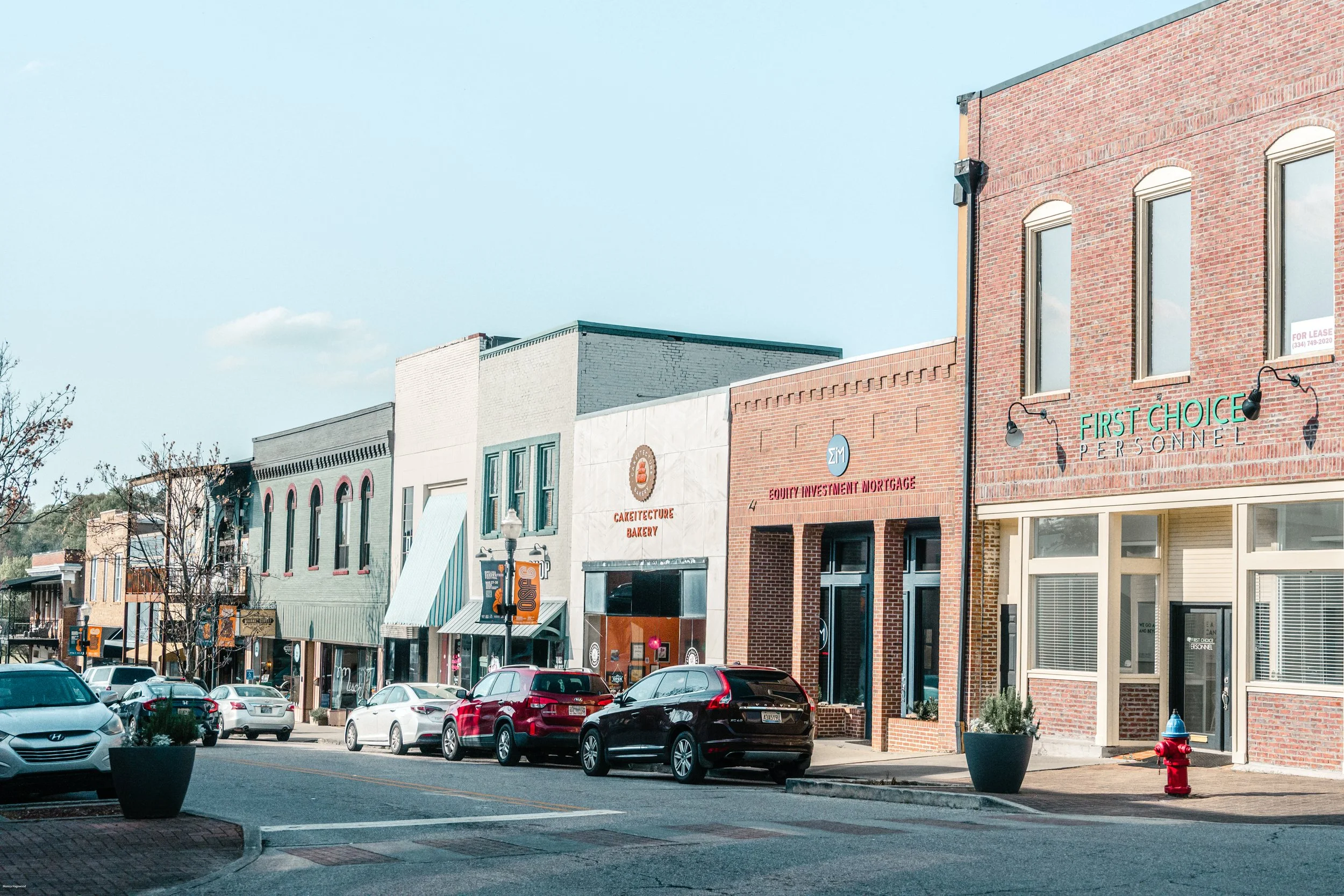
Opelika is the kind of place that earns its spot on your radar slowly—then sticks. With a 2024 population just over 25,000 and a projected growth to nearly 28,000 by 2029, this east Alabama town is quietly gaining steam. It’s not sprawling, but it’s not sleepy either. A 1.97% growth rate is pretty solid and suggests a steady hum of progress—a community on the move with a sense of future.
The population is on par with the US overall with a median age of 38.6, giving Opelika a lived-in wisdom while still holding space for new energy.
Cost of Living: The Sweet Spot
Opelika’s economic profile makes a strong case for balance. The median household income sits at $57,740, while the average is $77,476—a 34% gap that hints at a few higher earners in the mix, but not enough to tip the scales.
Home values are similarly accessible, with a median of $248,399 and an average around $260,470. For those eyeing a place to settle down—or grow roots in a place that won’t break the bank—Opelika lands in that rare territory of affordability and rising value.
Owner-occupied homes make up nearly 60% of the housing stock, while 40% are renter-occupied. There’s flexibility here, whether you're all in or just testing the waters.
Safety, Spirituality, and a Dash of Complexity
Now, no town is perfect—and Opelika’s crime index comes in at 154, which may raise a few eyebrows, a bit higher than the US average. Remember, safety isn’t just about stats—it’s also about connection, familiarity, and how folks look out for one another.
This is a place where nearly 60% of residents say they attend religious services regularly (split between those who strongly and somewhat agree), suggesting a strong network of faith and community.
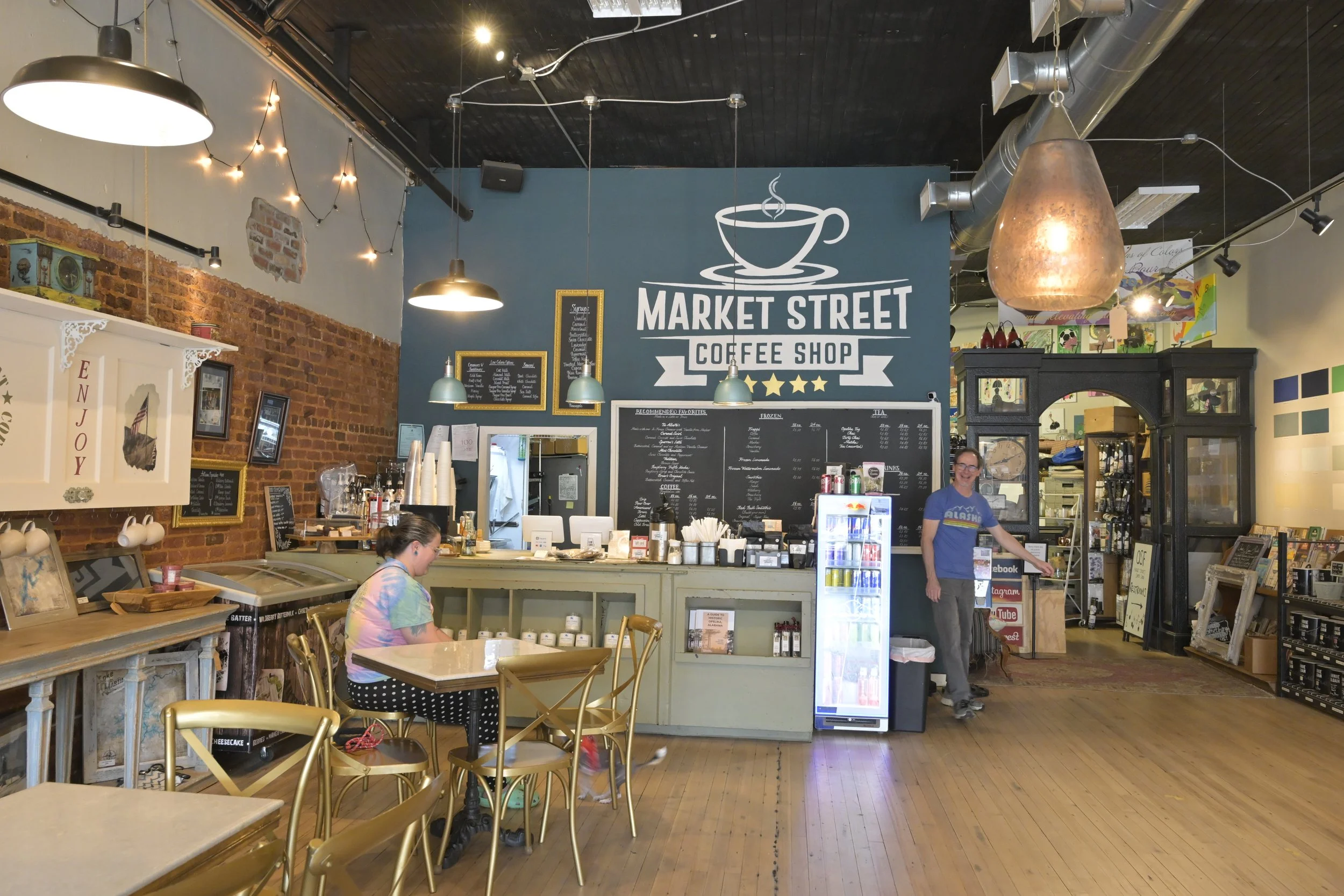
Culture in the Crossroads
Opelika doesn’t fit neatly into a single cultural box. The diversity index lands at 66.3, which, in real life, translates into more variety in neighbors, food, perspectives, and music coming through the park on a Friday night.
Generationally, Millennials and Generation Z make up nearly half the town, bringing just enough edge to keep things interesting without disrupting the front porch rhythm.
Education levels are on the rise, and while the bachelor's degree rate isn’t sky-high, there’s momentum—and a workforce that’s both grounded and growing.
Politically Speaking
Opelika leans right, but not rigidly. About 36% of the population identifies as somewhat or very conservative, while nearly 22% lean left. The rest? Somewhere in the middle—just like most conversations around here.
You’ll find people who vote differently but still show up to the same ballgames, the same festivals, the same town hall meetings. It’s less about red or blue, and more about being rooted.
People, Work, and Possibility
Unemployment sits at 3.9%, right in line with the national average, and lower than many small towns of this size. The town’s healthcare access index comes in at 75, which suggests solid infrastructure for families and aging parents alike.
The retail economy is healthy, with over $240 million in retail goods spending and a combined disposable income north of $635 million. Translation: there’s money moving—and potential for entrepreneurs who know how to listen before they launch.
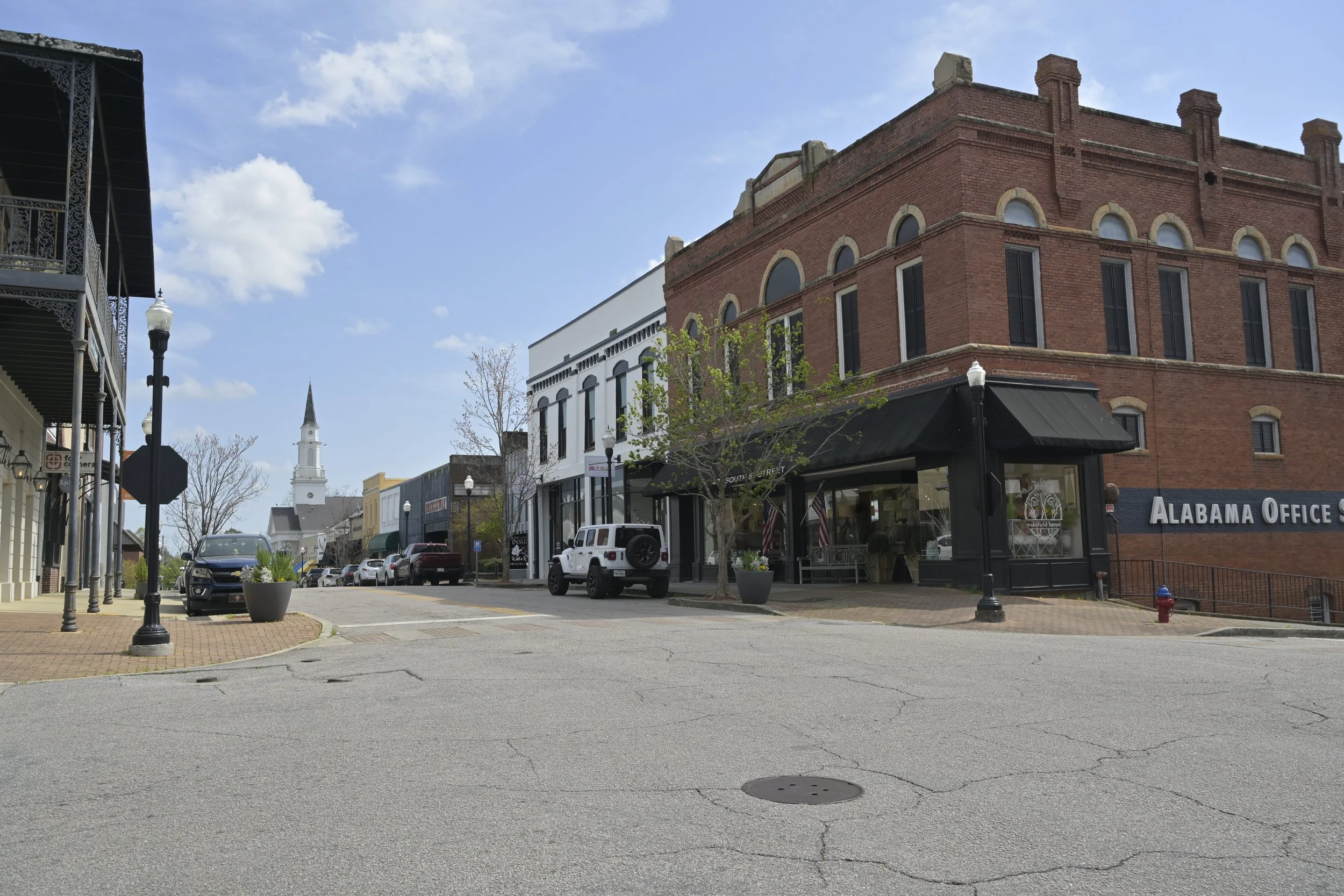
Why Opelika?
Because it’s not pretending to be anything it’s not. It’s comfortable in its own skin. Opelika offers that rare combination of economic potential, cultural texture, and small-town sensibility - with a little crazy SEC football just down the road!
It’s a place where you can build—something slower, something steadier, something that lasts.
Whether you're looking to start a business, raise a family, or recalibrate what "quality of life" means, Opelika’s ready when you are.
The demographic figures in this post are based on a 3-mile radius from the center of town—not just within city limits. Why? Because life doesn’t stop at the welcome sign.
Using this standard radius lets us compare small towns apples-to-apples—capturing the true local footprint where people live, shop, worship, and connect. So if the numbers seem a little broader than official city stats, that’s by design. We’re measuring community, not just boundaries.
Our data comes from the Census, ACS, and ESRI