Remote Work & Small-Town Living: Why Millions Are Choosing a Different Kind of Life
Prosper

Photocred: tarynmanning@unsplash.com
Remote Work Changed More Than Work
Remote work didn’t just untether people from office buildings—it loosened the grip that big cities had on where “serious careers” were supposed to live. In 2025, an estimated 32.6 million Americans—about 22% of the U.S. workforce—are working remotely, reflecting a permanent cultural shift rather than a temporary pandemic blip. As commute time stopped dictating zip codes, more people began asking a bigger question: “If my job can be anywhere, where do I actually want to live?”.
That question has sent a steady wave of people toward places that once would have been long-weekend destinations: small towns, mountain valleys, river cities, and walkable downtowns with character instead of congestion.
Where Remote Workers Are Going
Studies of migration and spending patterns show that remote work has helped shift population growth and economic activity away from the very largest city centers toward smaller cities, micropolitan regions, and high-amenity rural communities. Researchers have documented that as people work from home more often, they move farther from central business districts and into communities that offer lower costs, outdoor access, and a higher perceived quality of life.
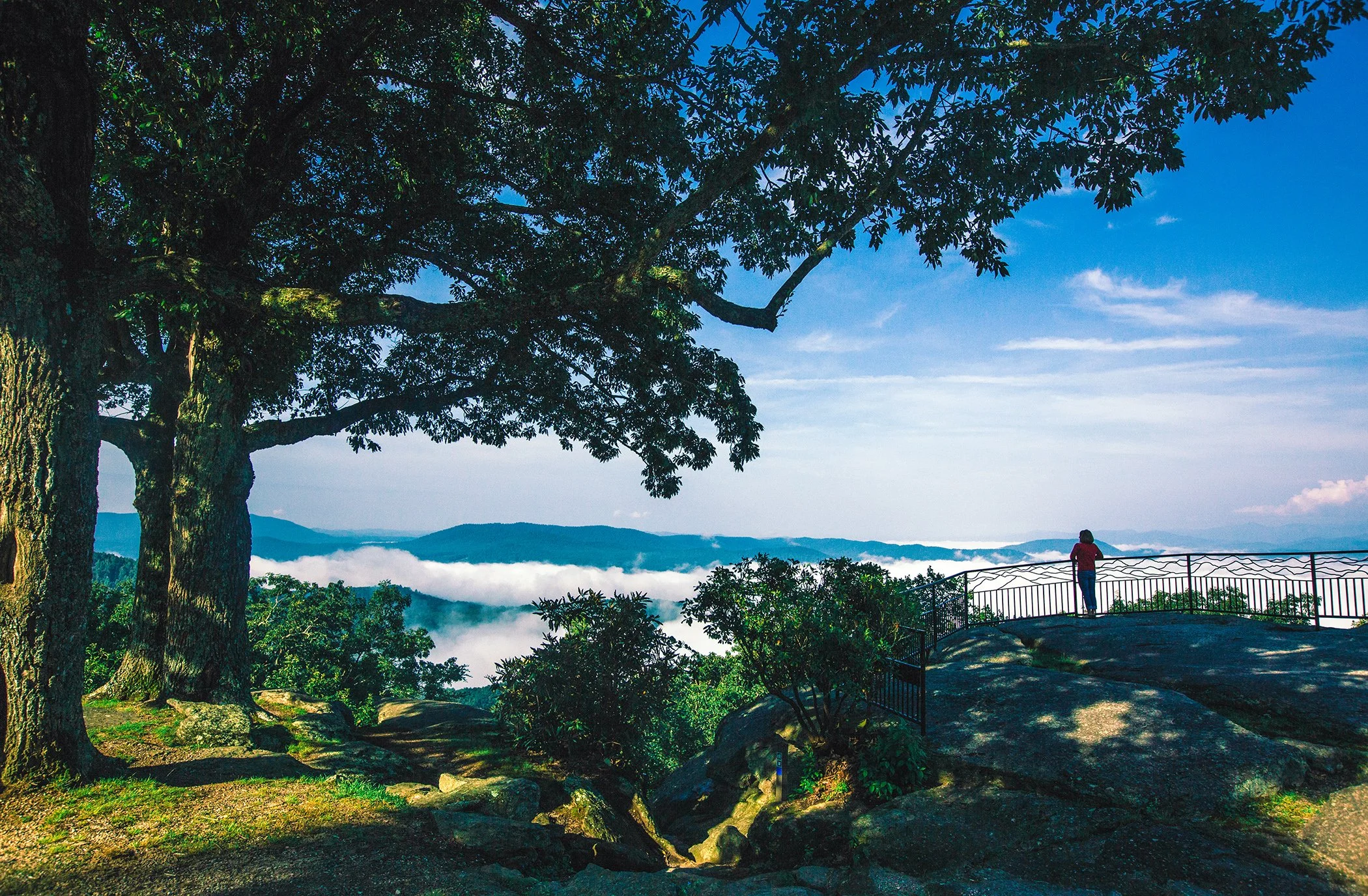
These aren’t just “Zoom town” stopovers. Mountain and outdoor-focused towns in places like the Rocky Mountain West, the Pacific Northwest, and Appalachia have become year-round homes for professionals who once felt locked into coastal metros. Towns like Bend, Bozeman, Missoula, Flagstaff, Hood River, Boone, Blowing Rock, and Fayetteville, along with surrounding smaller towns, pair reliable broadband with trails, rivers, and vibrant local culture—exactly the mix many remote workers now prioritize.

Photocred: austindistel@unsplash.com
Broadband, Main Streets, and “Amenity-Rich” Places
The magic formula isn’t just cheap housing; it’s connectivity plus quality of life. Many of the small towns attracting remote workers have invested in high-speed fiber or gigabit broadband, often supported by federal and state rural broadband initiatives, making full-time remote work sustainable rather than fragile. These communities are also doubling down on “amenities” that matter to younger workers and families: walkable main streets, arts and culture, coworking spaces, outdoor recreation, and strong local food and coffee scenes.
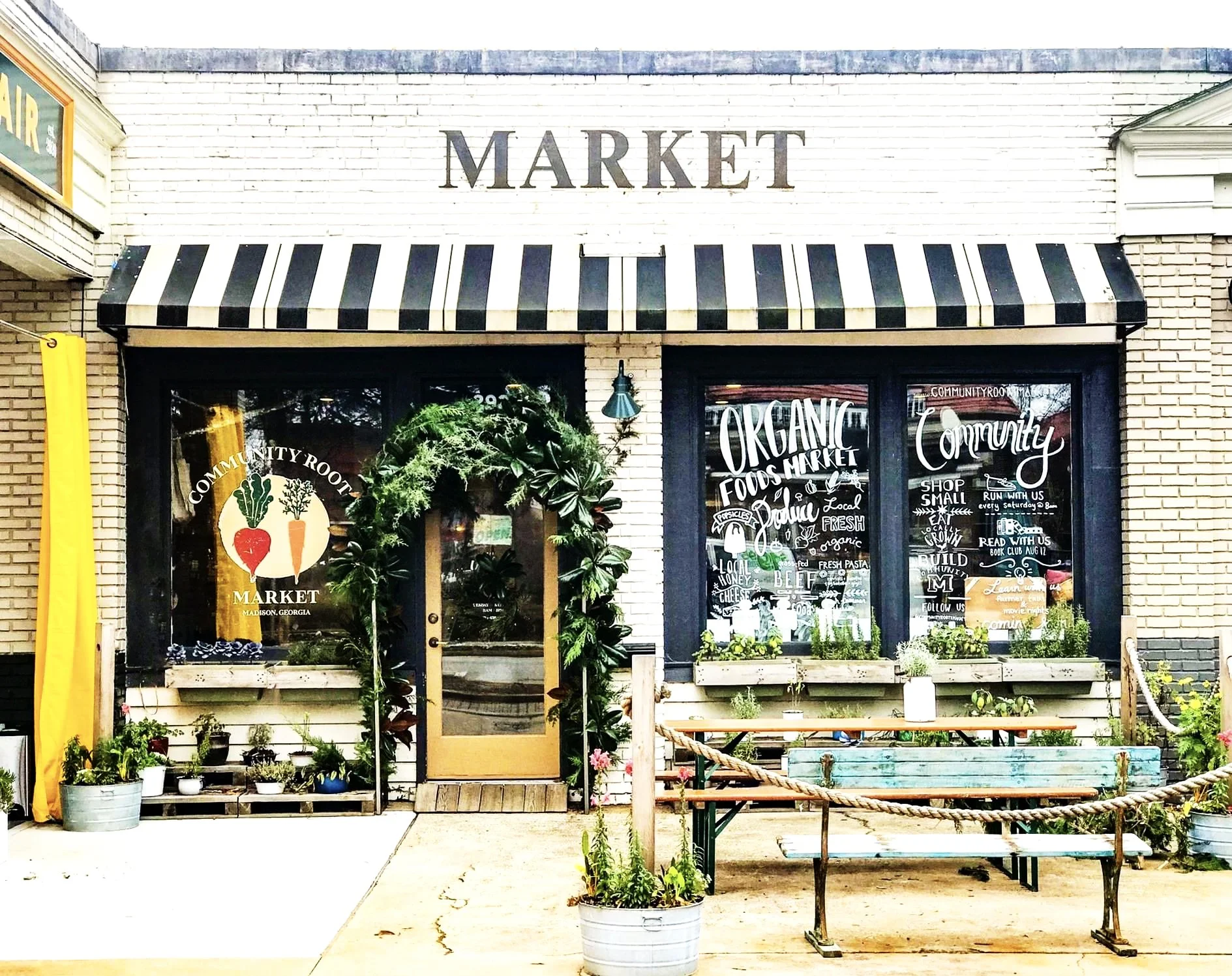
Economic research on rural and small-town America points to these amenity-rich places as some of the strongest performers in terms of attracting talent and supporting upward mobility, especially when paired with diversified local economies. That combination, solid infrastructure, a livable pace, and a sense of place, is what turns a pretty town into a viable long-term home for remote professionals, entrepreneurs, and small town lovers.
Income, Opportunity, and the New Small-Town Story
Multiple analyses note that when higher-earning remote workers relocate from expensive metros to smaller markets, they often bring big-city salaries into lower-cost communities, changing local income dynamics. Some research on rural and small-town economies has found that income growth and economic mobility can be stronger or more stable in certain rural archetypes than in comparable urban areas—especially in places that pair amenities with economic diversification and connectivity.
Admittedly, the story is complex. Remote migration can also strain housing markets and affordability if not balanced with local planning, but the pattern is clear: Places that used to steadily lose young talent now have a real shot at attracting it. For many remote workers, that means they no longer have to choose between career and context; they can grow both in a town that matches their values, not just their job description. For the towns, this can mean an entirely new generation of residents invested in their future.
“Your job is digital. Your life is not.
Choose a town that honors the difference.”
Your Next Move Is About a Life
Remote work opened the door, but you still choose what’s on the other side: a mountain town with trailheads five minutes away, a river city with a creative main street, or a small historic downtown where you can walk to coffee, coworking, and concerts. When work is flexible, the real decision becomes about neighbors, schools, parks, pace, and whether your surroundings make you feel more like yourself.
At MoxieTowns, the focus is on helping you sort through that decision with real places, real data, and real stories—not just dreamy photos. Think of it as an atlas for remote workers, founders, and families ready to root their big ambitions in small-town soil, as well as small town aficionados looking for a new hamlet to explore!
Want town spotlights, remote-work-friendly communities, and practical guides in your inbox?
Be the first to hear about small towns investing in broadband, culture, and community—the places where your next chapter can actually unfold.