Small Town Affordability
Metro vs. Small-Town Housing Costs: What Your Money Really Buys in (late) 2025
The Big Picture: Small Town vs. Metro Costs
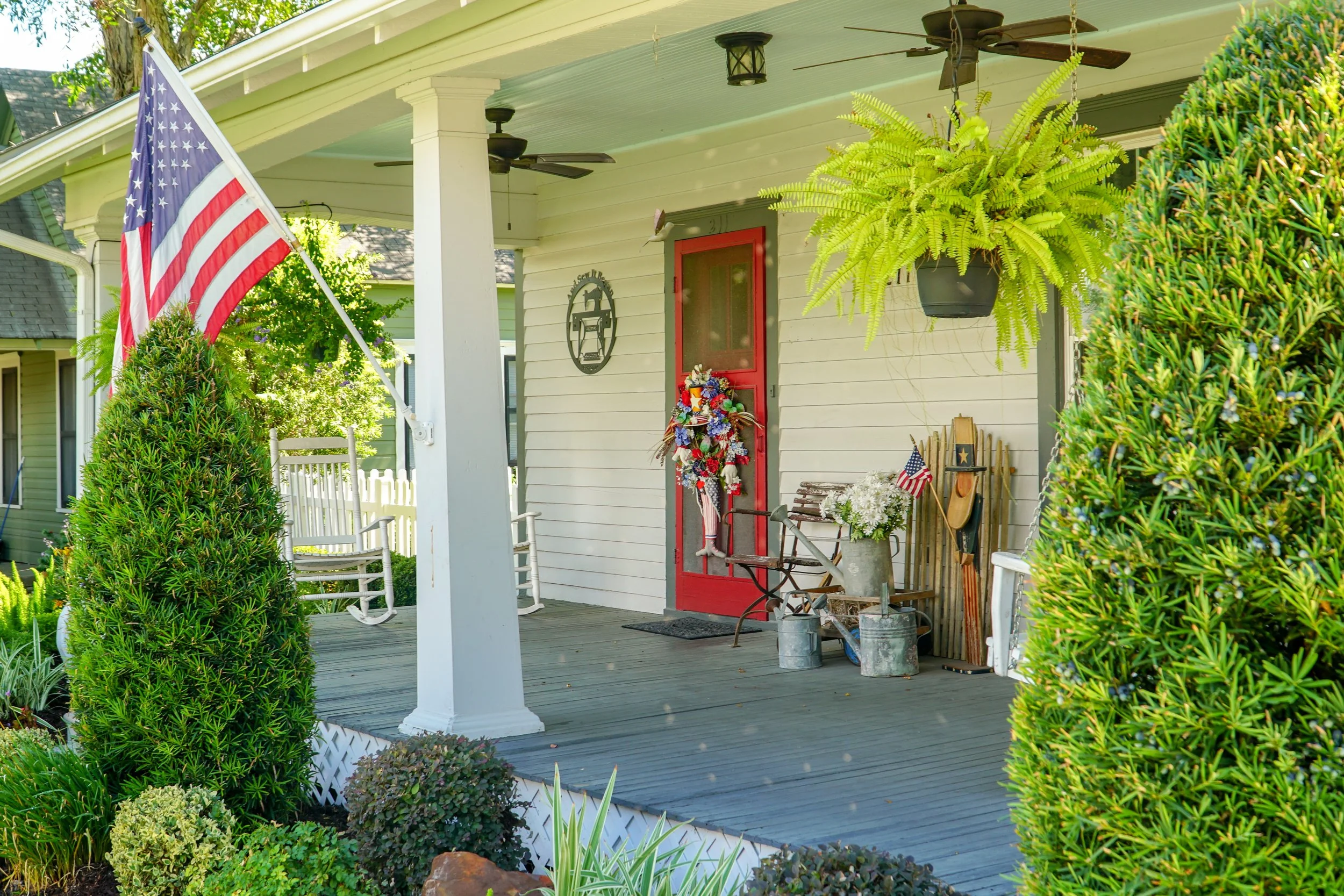
Let’s start with the big, national lens before zooming into real homes. Recent analysis of U.S. Census Bureau data found that in 2022 the median home value in rural areas was about $151,300, compared to $190,900 in urban areas, a difference of nearly $40,000 that continues to shape housing decisions in 2025. Even as prices have climbed everywhere since 2020, rural and small-town homes are still generally more affordable than those in dense urban markets, even though the gap has narrowed in some regions.
In other words, the “rural discount” is real—but the most compelling part of the story shows up when you stop looking at medians and start looking at actual places you might live.
Zooming In: DC vs. Staunton
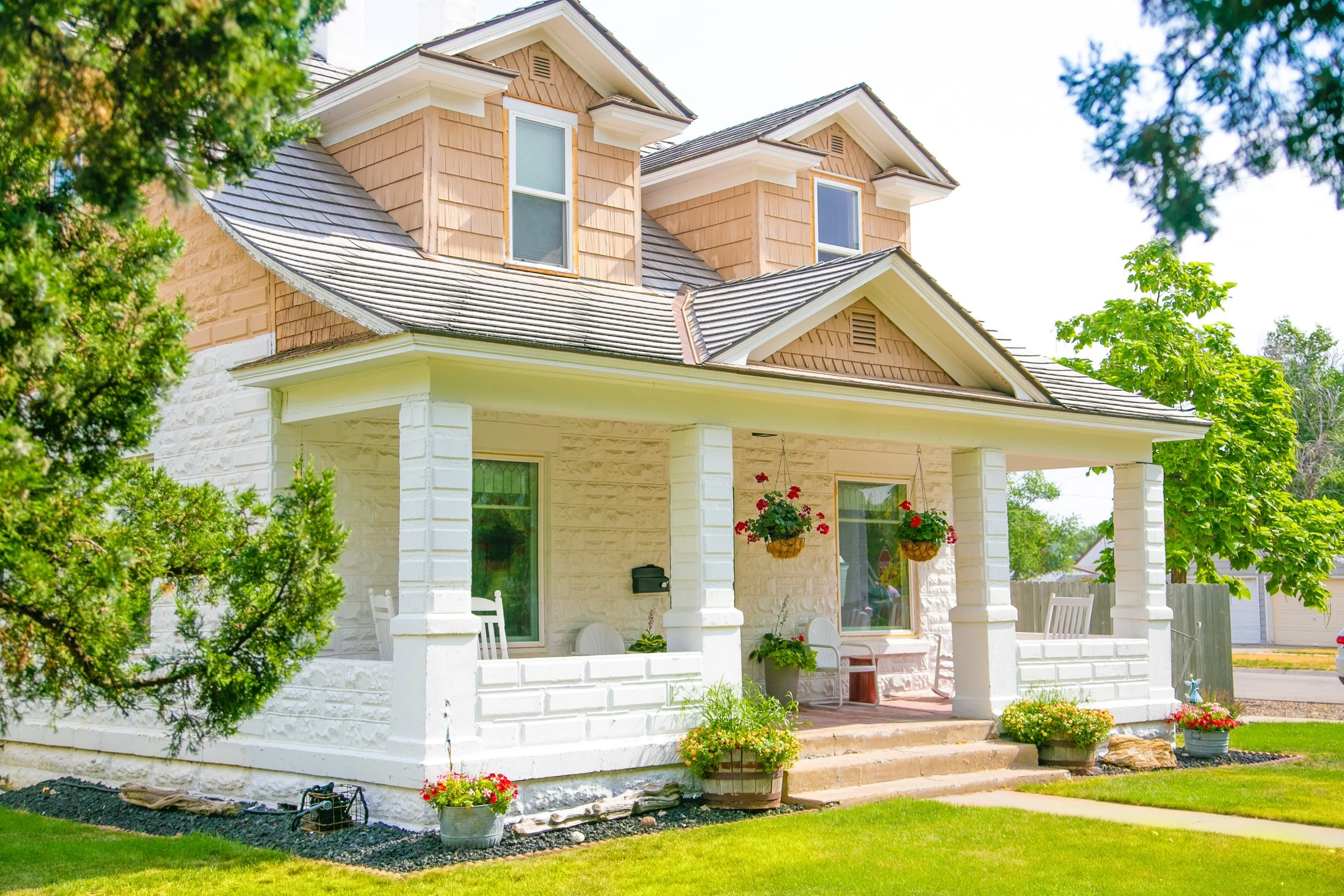
Washington, DC is a classic high-cost market. Recent estimates put the average DC home value around $600,000+, with median sale prices closer to $680,000, and typical values over $500 per square foot in many neighborhoods. Staunton, Virginia—a small independent city in the Shenandoah Valley—is a very different picture, with recent median sale prices closer to $278,000–$300,000 and much lower average values overall.
One cost-of-living comparison found that the average listing price for a home in Washington, DC is more than double the average in Staunton, with DC homes listed at over $1.1 million, roughly 130% higher than Staunton’s average. Put simply: the same budget that buys a modest rowhouse in DC can often buy a larger, updated historic home—or even land—around a small town like Staunton.
What You Get: Space, Land, and Lifestyle
Because the specific listings you shared are live properties, their details can change or be removed, so this post won’t quote those exact homes. Instead, think of them as snapshots of broader patterns showing up over and over again in the data. In DC, many three-bedroom homes come with small lots and high price tags, reflecting the premium on location and proximity rather than square footage or land.
Around Staunton, buyers regularly find three-bedroom homes with significantly larger lots—and in nearby rural areas, acreage becomes realistic, sometimes for half (or less) of what a comparable DC home might cost. That gap doesn’t just change the house you live in; it changes your daily rhythm: gardens instead of parking struggles, porches instead of packed platforms, starry skies instead of light pollution.
The “Not Quite Apples to Apples” Truth
Anyone who has house hunted knows no two homes are truly comparable: school districts, commute times, historic character, local job markets, and amenities all matter. Urban homes often offer transit access, walkability, and dense services, while small towns trade that for space, quiet, and a different flavor of community life.
Still, even with those caveats, the story is compelling: national data show a persistent price advantage in rural and small-town markets, while local comparisons—like DC versus Staunton—reveal just how dramatically your money can stretch when you step outside the biggest metros. The question becomes less “Can I afford a home?” and more “What kind of life do I want my home to support?”.

Ready to Explore Your Own Numbers?
At MoxieTowns, the mission is to help you see past the averages and into real places where your budget, values, and dreams actually line up. Whether you’re craving a walkable historic downtown, mountain views, or a few acres to finally build that garden or studio, there’s likely a small town that fits—often for less than you think.
Want more stories like this, plus town spotlights, data-backed guides, and resources to help you plan a move with confidence?