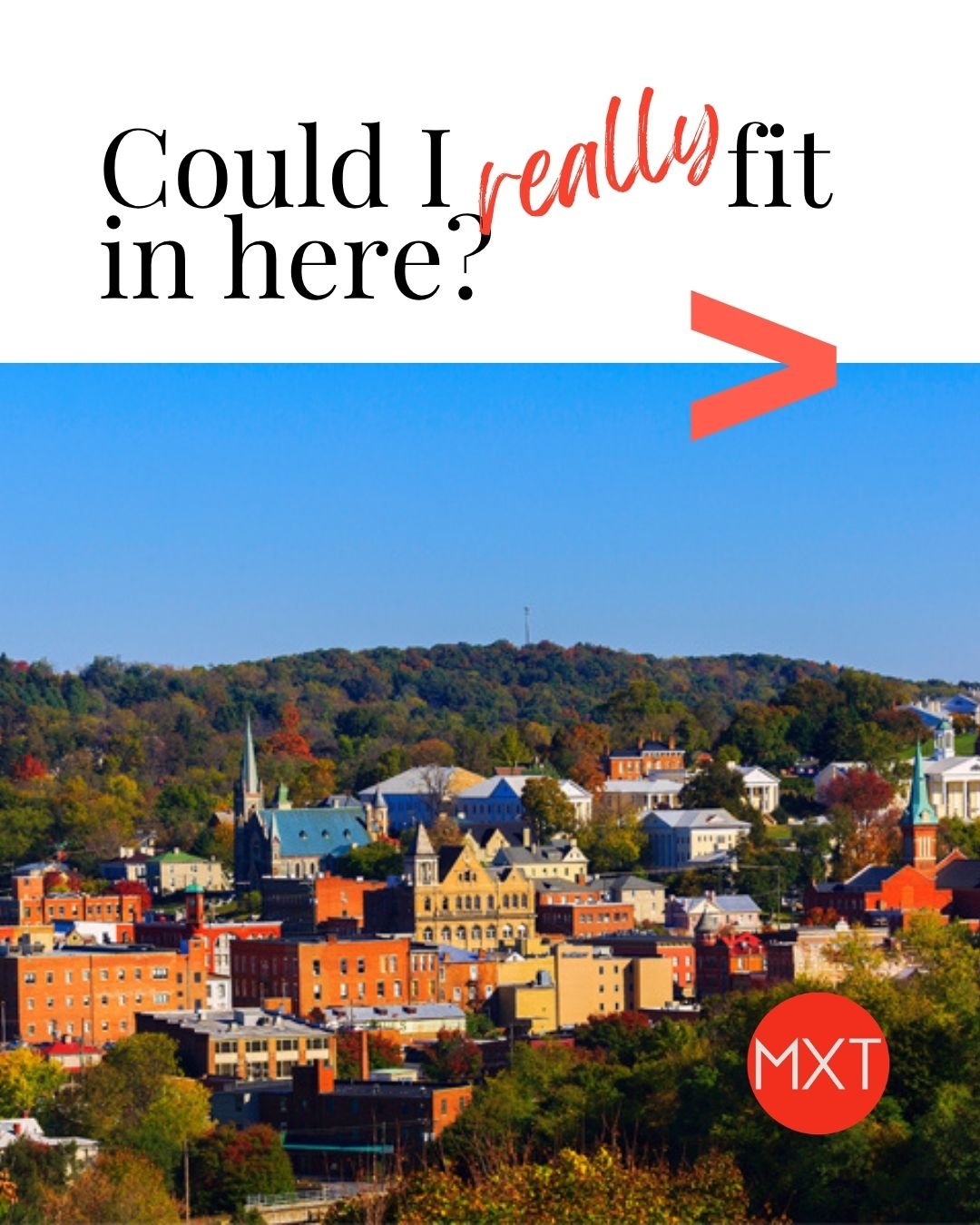
The Next Great Startup Hubs: Small Towns
Big Businesses, Small Places
Forget the myth that says you have to plant your startup in a major metro to be taken seriously. Over the last several years, we have seen record-breaking levels of new business applications, with millions of people filing to start something of their own between 2019 and 2023. Within that surge, researchers and policymakers have noted strong entrepreneurial momentum in rural and small-town regions, especially in places that combine reasonable costs with growing populations and supportive ecosystems.
In other words: the geography of ambition is changing. More founders are realizing that “out there” might actually be the smartest place to build something new.
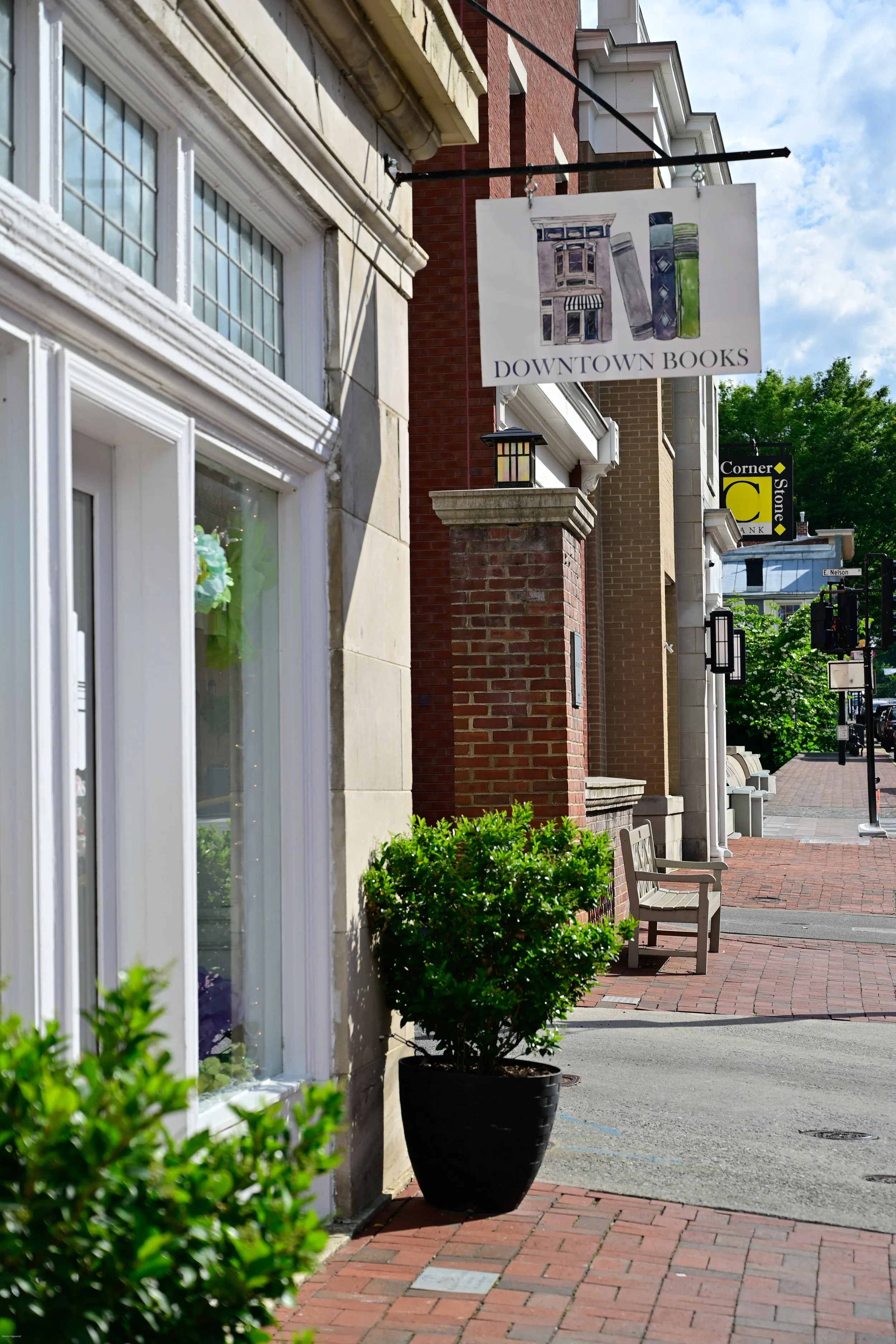
Startup Growth in Small and Amenity-Rich Towns
National data on business formation show clear growth in entrepreneurship across the country, but the most interesting patterns show up when you look at smaller places. Analyses of rural America and small-town economies highlight that many of these communities are seeing a resurgence in new ventures—from food and craft producers to tech-enabled services and creative industries—as young adults move in and choose to build locally. In high-amenity rural areas, where towns have strong outdoor assets, culture, and infrastructure, entrepreneurship and small-business activity are growing faster than in many large, high-cost metros.
Reports on rural innovation emphasize that these communities have untapped capacity: unique industry niches, lower operating costs, and a hunger for new services that can make them fertile ground for startups. For founders who don’t need a skyscraper address to impress customers, this can translate into more runway, more experimentation, and less noise. For online businesses, it is an easy equation.
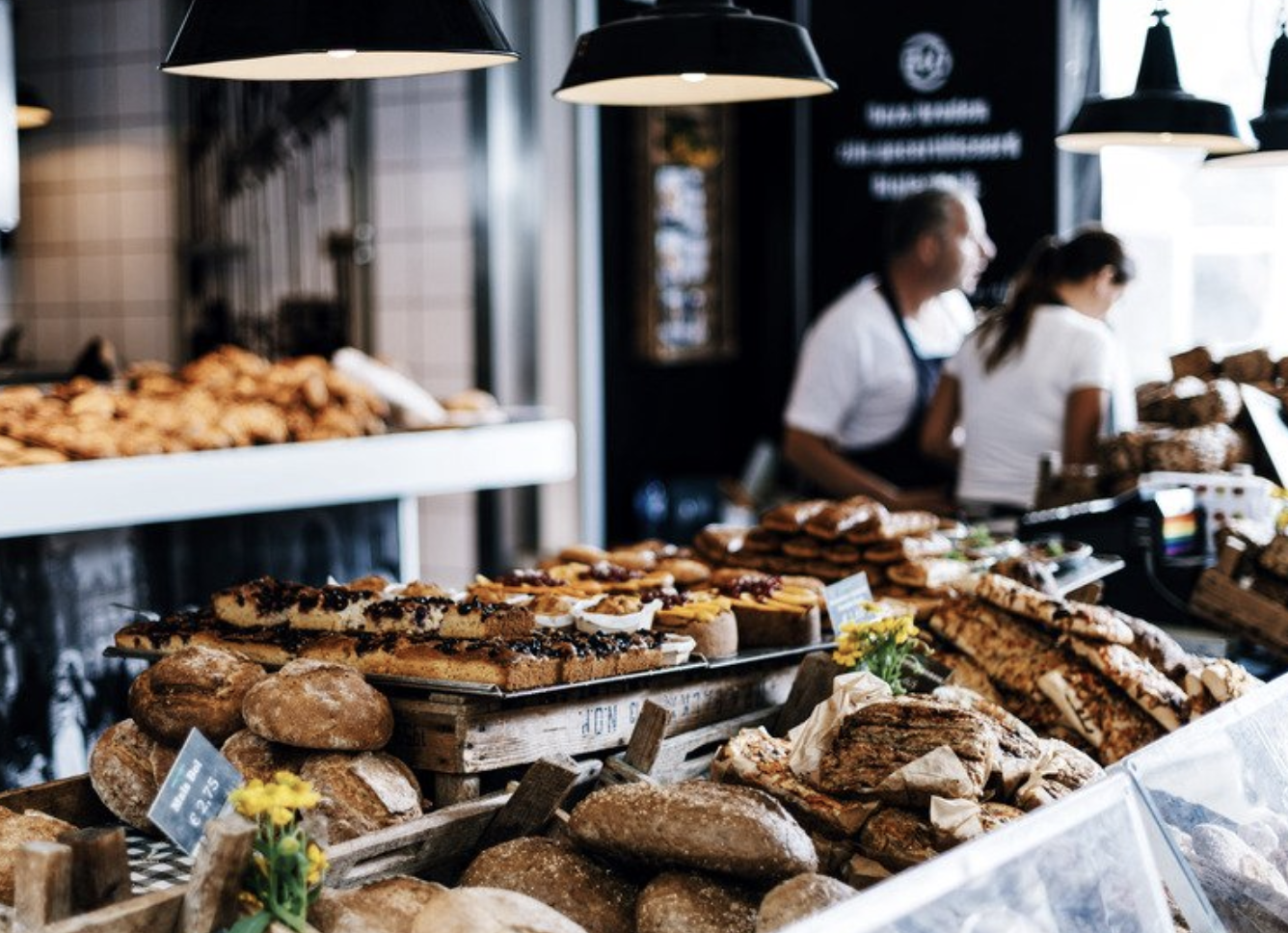
Why Small Towns Give Entrepreneurs an Edge
So what’s driving this small-town startup energy? Several overlapping advantages keep showing up in the research:
Lower startup and operating costs: Rent, commercial space, labor, and even everyday expenses often cost less in rural and small-town markets than in major cities, giving young businesses more room to breathe in their early years.
Less direct competition: Many small markets still have gaps for services people want but can’t yet get locally, creating clearer opportunities for businesses that pay attention to community needs.
Supportive networks and social capital: Studies of rural entrepreneurship highlight strong relationship networks, where word-of-mouth, local trust, and community ties can accelerate a business in ways that are hard to replicate in anonymous metro markets.
Customers who care about local: Across the country, “shop local” movements have taken root, with residents intentionally choosing independent businesses and local producers as a way to build community wealth.
For founders who value connection and impact, not just scale at all costs, those ingredients can seem like an excellent match.
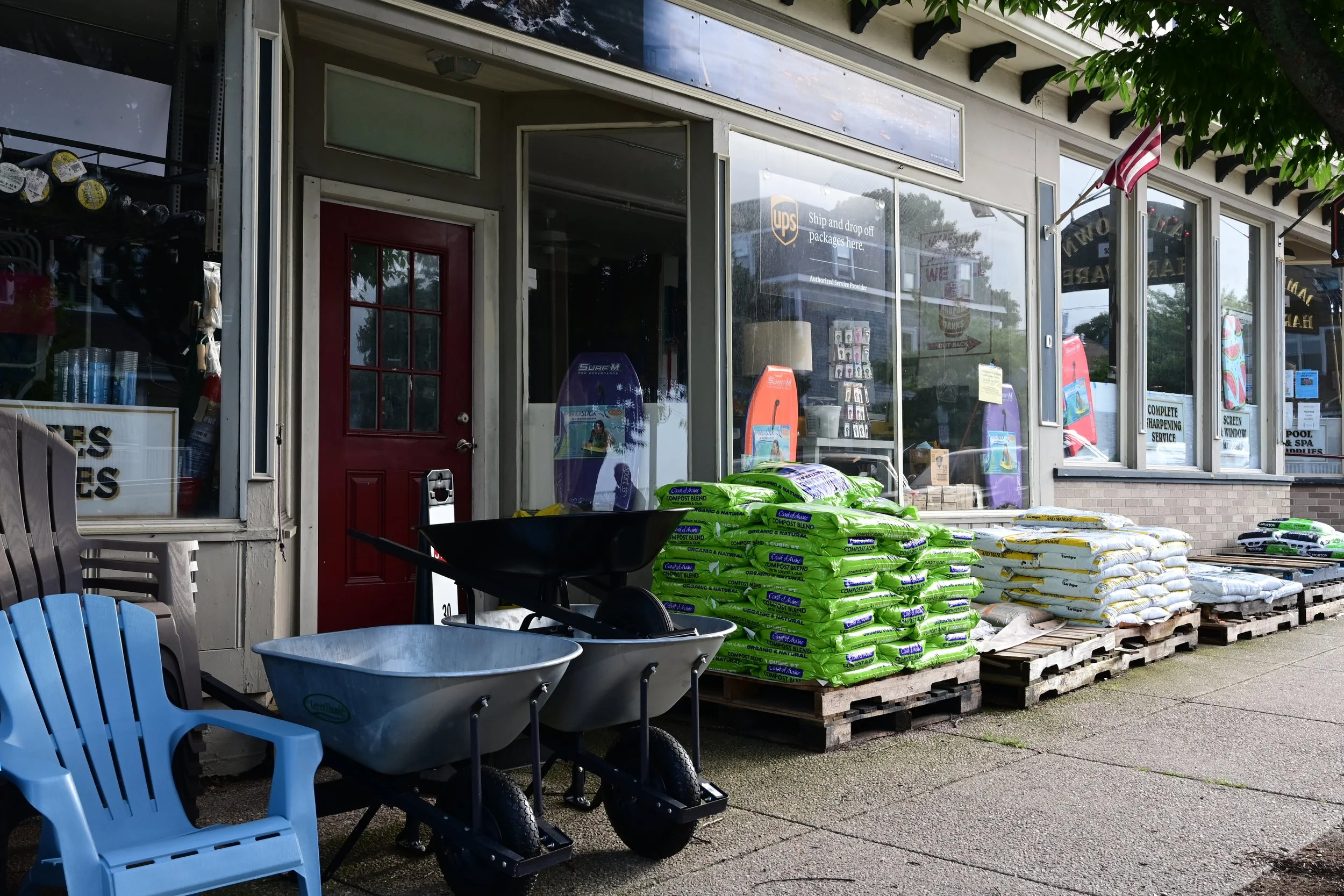
The Power of the Local Multiplier
Here’s where it gets really interesting: the money your business earns doesn’t just stop at your cash register. Studies of the local multiplier effect consistently find that dollars spent at independent, locally owned businesses recirculate in the community multiple times more than dollars spent at national chains. One widely cited analysis found that out of every 100 dollars spent at a local independent business, roughly 45 to 50 dollars stayed and moved through the local economy, compared to around 14 to 15 dollars when that same amount was spent at a large chain.
That extra circulation shows up as local wages, contracts with nearby suppliers, donations to community organizations, and spending at other local businesses. In a small town, you can feel that difference: your bakery helps support the local print shop, which hires a local web designer, who buys from the farmers’ market, and so on. Your success doesn’t just lift your household—it lifts your new hometown.
Small Towns, Big Futures
Zoom out, and a new story about small town America starts to come into focus. Long-term research on small towns shows that, in many rural archetypes, middle-income residents have achieved surprisingly stable or even stronger economic mobility than their urban counterparts, especially where there is a mix of industries and intentional support for entrepreneurs. National reports also highlight that small businesses are responsible for a significant share of net new jobs since 2019, underscoring just how central founders are to local and national economies alike.
For the right kind of entrepreneur, a small town isn’t a consolation prize; it’s a strategy. It’s choosing a place where your business matters, your relationships matter, and your dollars ripple farther.
Small towns are where more and more founders are going because they want their work to be visible, felt, and genuinely needed.
Ready to Build Where You’re Truly Seen?
If your vision is to open a studio, a shop, a roastery, a shared workspace, a food business, or a tech company with real roots, the “where” matters as much as the “what.” Small and amenity-rich towns across the country are actively investing in entrepreneurs—through main street revitalization, broadband, maker spaces, local capital, and programs designed to support founders at every stage.
MoxieTowns exists for exactly this moment. Think of it as your atlas for finding a town that doesn’t just tolerate your ideas, but bets on them.
Ready to explore towns that align with your values and your business model?