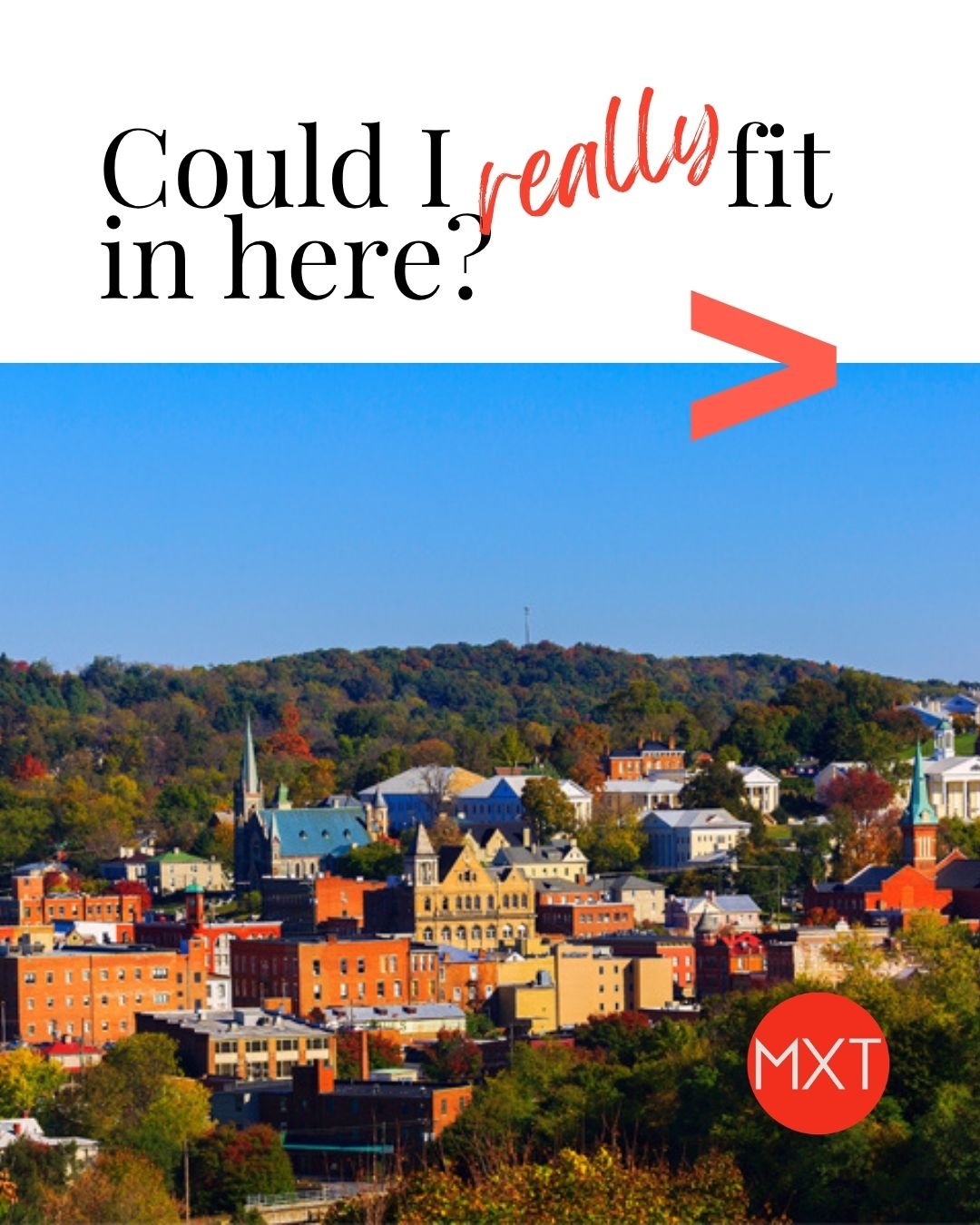
Are they ALL small towns?
Pretty much, yes, they are all small towns - and they are growing

America: A Nation of Small Towns Rediscovered
It seems the heart of America has always been beating strongest in its small towns. From the rolling hills of Appalachia to the sun-drenched streets of Florida’s coastal hamlets, small towns have long been the quiet backbone of this country. But in recent years, they’ve become something more—a destination for growth, innovation, and a new way of life. Technology, for all of its frustrations and impact, is allowing people of all ages and stages to forge new lives in our small towns.
The Numbers Don’t Lie: Small Towns Dominate
The U.S. Census Bureau paints a striking picture: 76% of the 19,500 incorporated communities in America have fewer than 5,000 people. Even more astonishing, only about 4% of cities boast populations over 50,000, yet nearly 39% of Americans reside in these larger hubs. This means the majority of our towns are small—quaint places where neighbors know your name and Main Street still feels like the center of the world.
But it’s not just about size; it’s about movement. In 2023 alone, an estimated 291,400 people left urban centers for small towns and rural areas, marking a seismic shift in migration trends. For the first time since the 1970s, small towns outpaced larger metropolitan areas in net migration. The reasons? Remote work flexibility, rising urban costs, and a growing desire for quality of life.

The Revival: Young Adults and Economic Growth

What’s particularly exciting is who’s moving to these small towns. Between 2020 and 2023, young adults aged 25 to 44 drove much of this migration—marking the highest rate of young adult movement to rural areas in nearly a century. These new residents aren’t just bringing their laptops and remote jobs; they’re sparking economic activity. Business applications in small metro areas and rural counties rose 13% faster than in other parts of the country during this period. This really calls for a pivot from economic development strategies of old. More on that later.
Take Virginia as an example. Rural communities along the Chesapeake Bay saw a 33% faster increase in new business applications compared to state averages. Similarly, Martinsville—a town once known for its textile industry—has become an economic hotspot with some of Virginia’s strongest wage growth.

Regional Trends: Growth Across America
Small-town growth hasn’t been uniform; it varies by region. The South and West have seen population booms in their smaller communities—6.7% and 13.3% growth respectively since 2010. Beach towns like Myrtle Beach and Port St. Lucie have flourished as remote workers and retirees flock to affordable locales with lifestyle appeal. Meanwhile, small Midwestern and Northeastern towns have faced population declines but are beginning to see glimmers of revitalization through targeted economic development.

Why It Matters: A New Chapter for Small Towns
This isn’t just a story about numbers; it’s about transformation. Small towns are no longer just idyllic backdrops or retirement destinations—they’re becoming epicenters of innovation and opportunity. Whether it’s young professionals starting businesses or retirees injecting vitality into local economies, these communities are proving that "small" doesn’t mean insignificant.
As we look ahead, one thing is clear: America’s small towns are more than relics of the past—many of them are shaping our future. With remote work here to stay for many industries and younger generations seeking affordability and connection, these towns are poised for sustained vibrant growth.