Zoning: An essential first step
Dwell • 03 2025
Understanding Zoning: A beginners guide
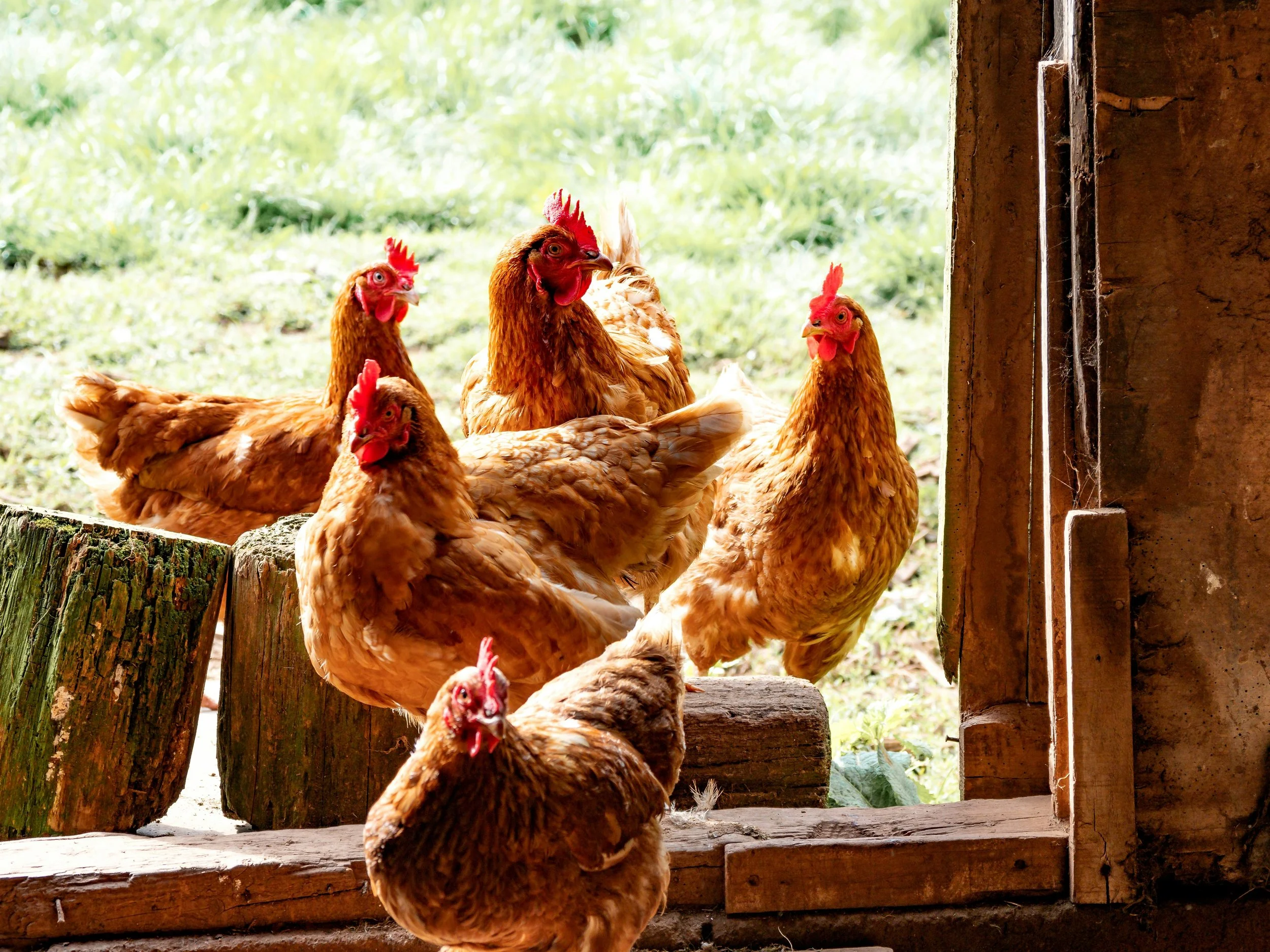
From the moment your tires crunch onto that gravel driveway—your kiddo singing loudly in the backseat—you can almost hear the gentle cluck of hens greeting you home. You both are already imagining rows of apple trees heavy with fruit, while you're picturing Saturday mornings at the bustling farmers market just down the road. But before you start naming chickens or sketching orchard layouts, there's one important stop on your journey: decoding the wonderful, sometimes quirky world of small-town zoning.
It can be intimidating but you will find friends and experienced locals along the way. So take your time and learn the lingo—because turning your countryside dreams into reality is easier (and more fun!) when you know the ropes.
Zoning: Your Friendly Neighborhood Rulebook
Zoning might sound like dry legalese, but think of it instead as a community handshake—a shared agreement about what goes where. It's how towns gently guide growth, balance neighborhoods, and keep harmony between roosters and toddlers alike. While some charming towns warmly welcome backyard hens and mini orchards in residential areas, others prefer clear boundaries between playgrounds and pastures. There is an entire discussion about how we have gone right on zoning and how we have it wrong…just know it is different in every town.
Here's a quick tip: Never assume your dream property automatically comes with permission to raise goats or sell apples by the roadside. But don't worry—small towns often offer more flexibility than you'd expect, especially if you know who to ask (and how to ask nicely).
Want to explore zoning basics?
Check out this helpful primer from Rocket Mortgage on Zoning.
Start at Town Hall: Your New Best Friends Await
Your first stop should always be your local town hall or city clerk's office. These friendly faces hold the keys to zoning maps, ordinances, and permits—and they genuinely want to help newcomers find their footing. You might be surprised at how detailed local rules can get—from exactly how far your chicken coop needs to sit from property lines, to how tall fences can be around your mini orchard.
Pro tips for your town hall visit:
Ask specifically about livestock rules (yes, even chickens count!).
Clarify noise ordinances (roosters are charming—but loud).
Discuss waste management guidelines (because chickens do produce plenty of fertilizer).
Need inspiration before you visit?
Take a peek at this guide from Omlet on navigating local chicken ordinances.

Realtors & Neighbors: The Inside Scoop
Local realtors aren't just about square footage—they're treasure troves of community history. They often know if previous owners raised goats or sold peaches at the farmers market. Even better? Chatting with neighbors who've already navigated these waters can offer invaluable insights. They'll tell you not just what's written in the rule book but also how things really work around here—like whether that "no chickens" rule is strictly enforced or gently overlooked.
Remember: Small towns often run on relationships more than rigid rules. A friendly handshake and genuine curiosity can open doors you didn't even know existed.
Think Bigger: County & State Rules Matter Too
Dreaming of selling homemade jams or fresh eggs at a roadside stand? County and state regulations might come into play here. Counties often have additional livestock guidelines or require permits if you're planning more ambitious farming ventures. And state agricultural extension offices are fantastic resources—offering everything from tips on apple varieties suited for your region to clear guidance on selling produce safely and legally.
Ready to dig deeper?
Visit your state's cooperative extension service website for localized advice and workshops.

Join the Club: Local Associations & Community Groups
Small towns thrive on community—and joining local groups like 4-H clubs, gardening societies, or agricultural associations can be both practical and delightful. You'll learn firsthand how neighbors successfully raise hens, manage orchards, or navigate zoning challenges. Plus, you'll find yourself surrounded by folks who share your passion for sustainable living and friendly farm-to-table vibes.
Want to find local groups near you?
Check out 4-H.org or search Meetup.com for gardening and farming groups nearby.
When in Doubt, Call an Expert
If you're envisioning something bigger—maybe turning that mini orchard into a thriving business—it pays to consult a zoning expert or land-use attorney early on. It sounds intimidating, but these professionals are often locals themselves who love helping dreams take root legally and smoothly. A quick consultation today could save headaches tomorrow—like moving a chicken coop built too close to property lines or dismantling an unpermitted greenhouse.

Hidden Rules & HOAs: Know Before You Grow
Sometimes it's not just town ordinances you'll need to consider. Homeowners associations (HOAs) can have their own set of rules about animals, fences, orchards—even goat bells! A quick check-in with HOA documents (or chatting with board members over coffee) ensures everyone stays neighborly and happy sharing fresh eggs rather than filing complaints. You might be thinking an HOA? Some planned large acreage communities have HOA’s to manage community assets.
Growing Roots & Cultivating Community
Moving to a small town isn't just about finding space for chickens or planting apple trees—it's about planting yourself into a vibrant community where waves hello become friendships over coffee at the farmers market stand. Yes, there's a learning curve—but every step brings rewards richer than fresh eggs and sweeter than ripe apples.
So ask questions freely, lean into local wisdom generously offered by neighbors and town hall staff alike—and soon you'll be that friendly face newcomers turn to for advice on hens versus ducks or which apple variety makes the best pie filling.
Your countryside dream is waiting. Happy planting!
Helpful Resources & Links:
Rocket Mortgage’s Zoning Laws Guide: Great zoning basics explained clearly.
Backyard Chickens: Community forums discussing local chicken ordinances.
USDA Cooperative Extension Service: State-specific agricultural guidance.
4-H Clubs: Find local chapters for practical farming advice.
Meetup.com: Connect with gardening groups near you.
Enjoy every step of this adventure—you've got this! Remember there is not a foolish question!