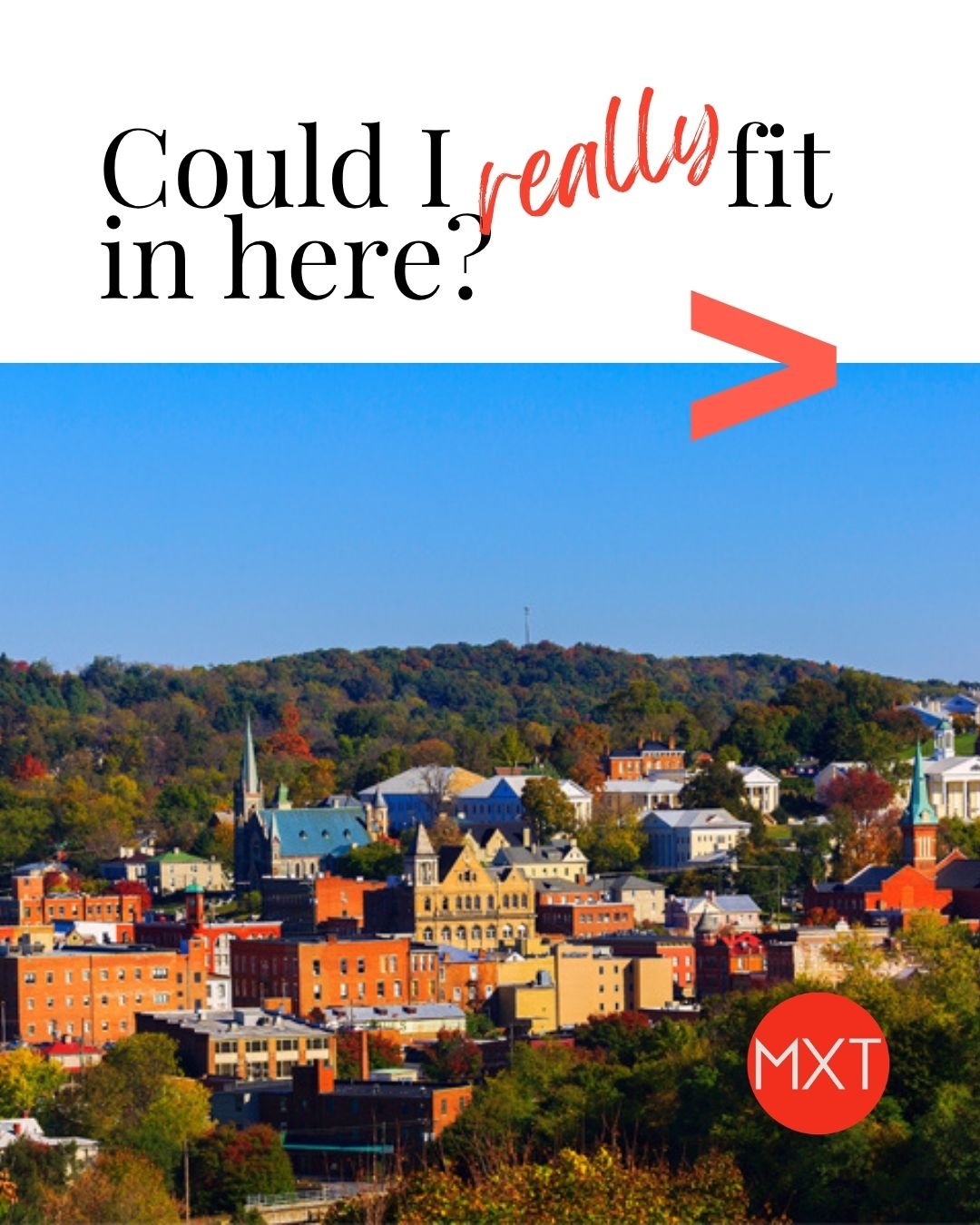
First Look
Do we have you daydreaming about the allure of small-town living? The whispers of quaint streets, the charm of friendly faces, and the embrace of a close-knit community might be calling your name. Your mind wanders about a place of belonging, simplicity, and connection. Maybe you are ready to trade the hustle and bustle for something more genuine, more grounded?

Averie Woodward @unsplash
But where do you start?
Perhaps you have never lived in a small town, or you wonder what you should look for in a new town. You may be following a friend or family that has already moved or visited a town? Sometimes you just “know” you are where you are supposed to be. But what if you are the pioneer in your sphere of friends and fellow explorers?
You have heard about a small town that has captured your interest -what do you need to look at first – what is essential? There are a million different personalities and therefore, millions of answers to this question but we have found that when the following things are in place -- the odds of a blissful future increase exponentially.
Downtown
The downtown is not just the heart but the very soul of a small town. When considering moving to a small town, pay close attention to the downtown area. It tells stories; it’s a living museum. Here's the heartbeat test - if you feel a tinge of excitement and curiosity as you walk down Main Street, you’re onto something. This is where the community converges; it's where people come together to celebrate, to discuss, to share, and to live. It doesn’t have to be big, but it has to have a heart.

The Living Room
Look for the community's living room. It could be a farmer’s market, a quirky coffee shop, a public square, or bookstore. These are the places where connections are forged and where the magic happens. It’s the town’s “third place” – not work, not home, but a place where people come together. A shared space – literally. The value of a gathering spot is more than the sum of its parts. It is in these spaces that someone’s day is brightened by a simple greeting, where information is exchanged, and where the bonds that form the fabric of the community are woven.

Kelsey Chance @unplash
Green Spaces
Public parks and other green spaces signify a town's commitment to the environment and the well-being of its citizens. These spaces are often where festivals are celebrated, and families spend lazy weekends - the vibrancy of the downtown. These are the shared spaces where everyone is welcome.
Take note if the grass is mowed, the beds trimmed, and the flowers are watered. Are these spaces loved and cherished? Are they given the place of attention that says to visitors and residents alike that the city understands that first impressions matter and that taking care of public spaces is a priority?
Pathways of Expression
Is there a vibrant art scene? Public murals, galleries, and local theaters are not just pretty; they’re a sign of a community that cares. They signify that the town invests in itself and treasures creativity and expression. Art acts like glue – binding people together. A town with an active arts scene is likely to embrace new ideas and fresh perspectives. When the community collectively admires a mural or attends a theater production, they share an experience that transcends individual differences.

Artem Garvysh @unsplash
Home Grown Businesses
Does the town have a miscellany of local businesses? The “mom-and-pop” shops are the heroes in our story. They bring uniqueness and authenticity. Plus, they often bring the kind of innovation that really matters. Not necessarily the “flying cars” kind, but the “bake the bread just right” kind. These businesses are often the result of generations of knowledge and love passed down. They give a town its flavor, its scent, and its taste. Without them, a town can just be coordinates on a map.
History Preserved
Finally, look for the reverence of history. Are there buildings with plaques that tell a story? A community that honors its past likely has a strong sense of identity and purpose. These are the people who stand on the shoulders of giants. Historic preservation is not about clinging to the past; it’s about respecting the journey. It’s a tip of the hat to the pioneers and visionaries who built the foundations. When a community understands its history, it can move into the future with a sense of context and belonging. This creates a continuity that is both grounding and empowering.
Placemaking has been a recent buzzword – but it really reflects that art of creating shared spaces that small towns have done from the beginning. This doesn’t happen exactly by chance; it’s an art. It’s the delicate craft of creating spaces that reflect the soul of the community. It’s the difference between a place you live in and a place that lives in you. When considering a small town, look for the pulse. Listen to the heartbeat. Engage with the locals. Breathe in the culture. Let the history speak to you. Revel in the simplicity and sincerity that small towns uniquely offer.
There is much more to be considered – but start here. It is where the heart is, and much like us –a healthy heart is a sign of a healthy body – or in this case, a town!