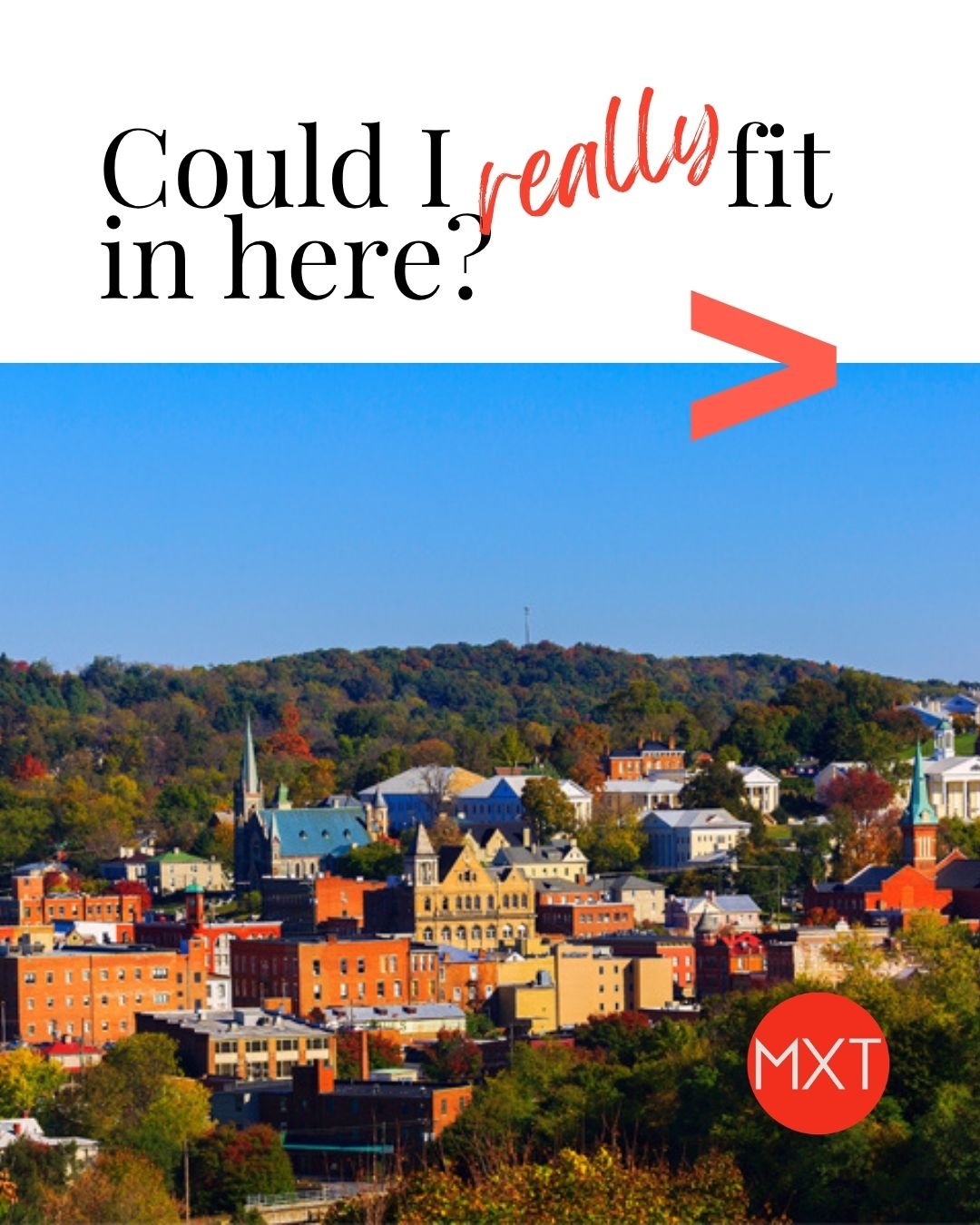
Hendersonville, North Carolina: Small‑Town Soul, Main Street Magic
Discover • Prosper • Dwell
Hendersonville, North Carolina sits in that sweet spot so many people dream about: a small town with a lively Main Street, a steady pace of growth, and a community that feels both established and open to newcomers. To truly understand who lives here and be able to compare it to other small towns, when it comes to demographics, we look at everyone within a 3‑mile radius of the town center. That circle captures not just the official city limits, but the surrounding neighborhoods and communities that share Hendersonville’s schools, parks, shops, and everyday life. It’s our way of comparing apples to apples with other small towns across the country.
Within that greater Hendersonville area, the 2025 population is just over 33,000 people, in contrast to the 15,135 population inside the city limits. Growth is slow and steady rather than explosive. It is the kind of growth you can plan for. That means the town has enough momentum to support local businesses, restaurants, and services, without losing the small‑town character that draws people to Western North Carolina in the first place. Population density is high enough to give Main Street real energy, yet low enough that you can still hear birdsong on an early morning walk.
Age and Generations: A Multigenerational Small Town
Hendersonville is often known as a retirement destination, and the numbers back that up—while still showing a surprisingly rich mix of ages. The median age in the 3‑mile radius is just over 50, which is higher than the U.S. average, which is around 39 years, and signals a strong presence of retirees and near‑retirees. Roughly one in four residents is a Baby Boomer, and older generations together account for a substantial share of the population.
That’s only half the story though. When you look at the full generational breakdown, nearly half of residents fall into Millennial, Generation Z, or Generation Alpha. In practical terms, that translates to kids in local schools, teenagers working part‑time on Main Street, and young adults grabbing coffee before heading to remote jobs or local employers. Hendersonville is an excellent town for retirement, but it’s also a place where families are raising children and younger adults are building roots. We actually spoke to several couples that had moved to the area, to be near their adult children (and grand children!)
The overall feel is multigenerational rather than single‑note. It’s easy to imagine grandparents walking from their in‑town condo to meet their kids and grandkids for brunch, all within a few blocks of historic downtown. If you’re dreaming of a small town where retirement living, family life, and community overlap, Hendersonville delivers that blend.
Households, Families, and Everyday Living
Looking at households within that 3‑mile radius helps answer another big question: what does day‑to‑day life look like here? A solid majority of homes are owner‑occupied, with a sizeable minority of renter households. Owners make up roughly two‑thirds of the housing market, which signals stability and long‑term commitment to the community. Renters account for about one‑third, keeping Hendersonville welcoming and accessible to newcomers, young professionals, and downsizing households who prefer flexibility.
Families with children are present in both owner and renter homes at meaningful levels. That mix hints at a small town where you’ll see strollers and school buses right alongside retirees walking to morning yoga or meeting friends for lunch downtown.
Marital status also adds texture to the community. Close to half of adults 15 and older are married, with the rest split among never‑married, divorced, and widowed residents. For someone considering a move, that means you’ll find couples, single professionals, single parents, and older adults all represented. Hendersonville isn’t focused on just one life stage; it has room for people at many points in their story.
Income, Work, and Economic Life
Economically, Hendersonville looks like a classic, resilient small town. Most households fall in the middle‑income range. A modest share of residents are in lower‑income brackets, and a smaller but meaningful percentage are in upper‑income tiers. Median household income sits in the mid‑$50,000s, while average income is significantly higher, pulled up by a segment of higher‑earning households. That blend often shows up in Main Street life: local diners and family‑owned shops alongside galleries, boutiques, and specialty businesses.
Unemployment is low across age groups, including younger workers and those close to retirement age. That suggests a local economy where people who want work can typically find it without a long search. Many residents are employed in health care, retail, services, tourism, and professional roles—fields that are well suited to a small town with a regional draw. For remote workers, Hendersonville offers the appealing combination of high quality of life and relatively affordable housing compared with major metro areas.
Education levels are strong for a town of this size. The vast majority of adults have at least a high school diploma, a substantial slice have some college, and a large share hold a bachelor’s degree or higher. That level of education supports a thriving small‑business environment and a community that values learning, civic engagement, and the arts. If you’re thinking about starting a business, coworking, or consulting out of a home office, the talent and customer base are quietly promising.
Housing and Affordability: Buying and Renting in Hendersonville
Housing is often the make‑or‑break factor for people considering a move to a small town. In Hendersonville’s 3‑mile circle, homes are not “cheap,” but they’re often more attainable than comparable properties in bigger cities or high‑priced suburbs. Median home values sit in the mid‑$300,000s, with average values somewhat higher. Median contract rent is a little over $1,100 per month, placing Hendersonville in that middle zone where housing requires planning, but isn’t out of reach for many middle‑income households.
A housing affordability index in the low 60s tells a nuanced story. For some buyers, especially first‑time homeowners or families on a single income, purchasing may feel like a stretch that requires careful budgeting, savings, and trade‑offs in size or location. For others—especially those relocating from higher‑cost markets—Hendersonville’s homes can feel like a relative bargain. The mix of older housing stock, renovated homes, and newer development gives buyers and renters a range of options, from historic charm near Main Street to quieter neighborhoods just beyond the center.
For retirees, the combination of moderate housing costs, a vibrant downtown, and accessible health care is compelling. For families, the mix of owner and renter options means you can try the town as a renter first, then buy when you’re ready. For entrepreneurs and small‑business owners, local real estate offers both residential comfort and the possibility of walkable proximity to Main Street storefronts and office spaces.
Culture, Community, and Main Street Life
Numbers alone don’t tell you what it feels like to live in a small town, but Hendersonville’s demographics give strong hints. Politics: a true mix of views
Within three miles of Hendersonville’s center, political outlook is genuinely spread across the spectrum. About 41% of adults describe themselves as middle of the road, making that the single largest group. Roughly 30% lean liberal (about 16% very liberal and 14% somewhat liberal), while about 29% lean conservative (20% somewhat conservative and 9% very conservative). In everyday life, that means you’re just as likely to chat with someone who sees the world differently as someone who agrees with you—and you’ll still be standing side‑by‑side at Main Street festivals, school events, and neighborhood gatherings.
Religion: engaged, but not all in the same way
When residents around Hendersonville are asked whether they attend religious services regularly, the responses fall into a gentle curve rather than an all‑or‑nothing divide. About 16% disagree completely that they attend regularly, and another 42% disagree somewhat, so roughly 58% lean toward not being regular attenders. On the other side, about 24% agree somewhat and 19% agree completely, meaning around 42% say they do attend services regularly. The result is a small town where active faith communities, spiritual‑but‑not‑religious folks, and more secular neighbors all share the same streets, schedules, and social circles.
Diversity is moderate and growing. There’s a better‑than‑even chance that two randomly chosen residents come from different racial or ethnic backgrounds, which is significant for a small Southern town. Add to that a wide range of incomes, ages, and political outlooks, and you get a community where curiosity and kindness go a long way. For many people looking to move to North Carolina, that balance—small‑town feel with a mix of perspectives—is a major draw.
Safety, Services, and Quality of Life
On safety, Hendersonville’s numbers show relatively low personal crime and somewhat higher—but still manageable—levels of property crime. In everyday terms, residents often talk about locking cars and keeping an eye on packages, but they still walk downtown, use the parks, and enjoy Main Street well into the evening. That combination—vigilant but not fearful—is common in active small towns that attract visitors and have a steady flow of people through downtown.
Local spending on health care and retail tells another part of the story. The 3‑mile trade area supports significant health‑care and retail activity, which is great news for both retirees and families. Access to doctors, clinics, pharmacies, grocery stores, and local shops is a key piece of quality of life, and Hendersonville has the population base to sustain those services without asking residents to drive an hour for basic needs.
When you combine the town’s demographic profile—multigenerational, mostly middle‑income, educated, and civically engaged—with its physical setting and Main Street energy, you end up with a small town that feels deeply livable. The numbers support the impression visitors often have: “I could see myself here.”
Why Hendersonville, North Carolina Belongs on Your Short List
If you’re searching for small towns with a real Main Street, manageable cost of living, and a healthy mix of retirees, families, and working adults, Hendersonville, North Carolina deserves a close look. The 3‑mile‑radius view shows a complete ecosystem: aging gracefully but not stagnating, welcoming to new residents, and resilient enough to support local businesses and community life.
For retirement, Hendersonville offers walkability, culture, and access to health care. For family living, there are schools, parks, and a meaningful percentage of households with children. For entrepreneurs and remote workers, there’s an educated population, a stable economy, and a downtown that invites experimentation and creativity. For anyone seeking affordable housing relative to major metros, the market here strikes a thoughtful balance between value and quality.
In short, Hendersonville is one of those North Carolina small towns where the demographics match the feeling on the street: friendly, active, varied, and just the right size for your next chapter. Whether you’re strolling down Main Street, scouting neighborhoods, or sketching out a new business idea, this mountain‑flavored town offers a demographic tapestry strong enough to support the life you’re imagining.